What is a craniopharyngioma?
A craniopharyngioma is a rare, noncancerous brain tumor that grows slowly near the pituitary gland and hypothalamus—two important areas at the base of the brain. Even though the tumor isn’t cancer, it can still cause problems by pressing on nearby parts of the brain.
This type of tumor often affects the pituitary gland, which makes hormones that help control things like growth, energy levels and body temperature. As the tumor grows, it can lead to symptoms like vision changes, tiredness, headaches and needing to urinate more often.
Craniopharyngiomas can happen at any age, but they’re most common in children and older adults. Surgery is usually the first step in treatment. However, the tumor can come back, sometimes years later. Because of that, doctors often treat it like a long-term condition that needs regular checkups and ongoing care.

Craniopharyngiomas symptoms
Craniopharyngioma symptoms can vary depending on the tumor’s size, where it’s located and how much pressure it puts on nearby areas like the pituitary gland, optic nerves and brain.
Common symptoms include:
- Headaches
- Vision changes
- Fatigue
- Behavior or mood changes
- Nausea or vomiting
- Sleep issues
- Balance or coordination problems
Craniopharyngiomas often affect the pituitary gland, which controls many hormones. This can lead to:
- Slow growth or delayed puberty in children
- Increased thirst and frequent trips to the bathroom
- Changes in appetite or weight
- Feeling tired or weak due to low thyroid or adrenal function
- Sex hormone changes. Men may notice low sex drive or trouble with erections; women may have irregular or missed periods
When to see a doctor
Craniopharyngioma symptoms can develop gradually, often due to hormonal changes or pressure on the brain. If you or your child notice a combination of symptoms, like vision changes or growth delays, it's important to talk to your primary care provider. They can help determine the cause and refer you to a specialist if necessary.
Craniopharyngioma causes
The exact cause of craniopharyngioma isn't fully understood. It starts as an abnormal growth of cells near the pituitary gland, which helps control many body functions by making hormones.
Craniopharyngioma happens when changes occur in the DNA of cells. DNA contains instructions that tell the cell how to act. In healthy cells, DNA directs them to grow and divide at a controlled rate and to stop functioning when it's time. In tumor cells, these instructions get mixed up. The changes cause the cells to grow and divide too quickly, and they keep living when healthy cells stop functioning, leading to a buildup of extra cells.
Risk factors
Doctors haven’t found many clear risk factors for craniopharyngioma. It can happen at any age, but it's more common in children and older adults.
Diagnosing craniopharyngiomas
Craniopharyngiomas can have symptoms that overlap with other conditions, so diagnosing them can be challenging. However, if you have several symptoms at once, it might suggest a craniopharyngioma. If your doctor thinks you may have one, they will start by discussing your medical history and your symptoms. They will then perform a physical exam and may order additional tests, like imaging or blood work, to make a clear diagnosis.
Medical history and exams
Your doctor will begin by asking about your health history, including any ongoing conditions you may have. They'll also ask about your symptoms, looking for patterns or combinations that might point to a craniopharyngioma. For example, symptoms like headaches, vision changes and increased thirst and urination could indicate a hormone imbalance caused by the tumor.
After that, your doctor will do a physical exam, checking things like your blood pressure and temperature. They may also do a neurological exam to check how your brain, nerves and spinal cord are functioning. If you have any vision problems, your doctor might refer you to an ophthalmologist for a full eye exam.

Laboratory tests
Your doctor may order some tests to help identify hormone imbalances or other issues related to a craniopharyngioma:
- Blood tests: These measure your hormone levels and can show if there are any imbalances.
- Urinalysis: This test checks for signs of kidney problems, which may occur with diabetes insipidus (a condition caused by craniopharyngiomas).
- Biopsy: In some cases, your doctor may recommend a biopsy, which involves taking a small sample of the tumor tissue to examine it under a microscope.
Imaging and tests
Imaging tests can help diagnose craniopharyngiomas and understand where the tumor is and how it's affecting your brain. These tests create detailed images of your brain and can help your doctor see the tumor.
Some common imaging tests include:
- Magnetic resonance imaging (MRI) scan with contrast: This test uses strong magnets and radio waves to create detailed pictures of your brain. A special dye (contrast) is injected to make the tumor show up more clearly. It's the most common test used to diagnose craniopharyngiomas.
- Computed tomography (CT) scan: A CT scan, which uses X-rays to take images that can be combined to produce a 3D image, can also help by showing calcifications within tumors.
Craniopharyngioma treatment
Treating craniopharyngiomas usually involves a team of doctors, including neurologists, endocrinologists and ophthalmologists. Surgery is often the first step, where doctors try to remove as much of the tumor as possible. If the tumor can't be fully removed, they’ll take out as much as they safely can. After surgery, radiation therapy may be used to treat any remaining tumor cells. In some cases, chemotherapy or targeted therapy might also be options.
Surgery
Two main types of surgery are used to remove craniopharyngiomas, with the best choice depending on your health, age and where the tumor is located.
- Open craniotomy: In this procedure, the surgeon makes an incision in your scalp, removes a small piece of bone to access the brain and then removes the tumor. The bone is put back using small plates and screws.
- Endonasal surgery: This surgery is done through the nose using a special camera (endoscope) to remove the tumor. In some cases, tissue from other parts of your body is used to rebuild the space left by the tumor.
Radiation therapy
Radiation therapy uses strong energy beams to target tumor cells. It's often used after surgery to treat any remaining tumor cells. The types of radiation include:
- External beam radiation therapy: You lie on a table while a machine moves around you to direct radiation to the tumor. New techniques allow the radiation to be aimed more precisely, helping protect healthy tissue.
- Stereotactic radiosurgery: This method uses multiple beams of radiation from different angles to target the tumor, often in just one or a few sessions.
- Brachytherapy: In this treatment, doctors place radioactive material directly into the tumor, allowing it to radiate from the inside.
Chemotherapy
Chemotherapy uses medications to kill or slow the growth of tumor cells. It's not usually the first treatment for craniopharyngiomas, but may be considered if surgery and radiation aren't enough or if the tumor comes back.
Targeted therapy
Targeted therapy may be used for a type of craniopharyngioma called papillary craniopharyngioma, which is less common. This treatment targets specific chemicals in the tumor cells, blocking them and eliminating the tumor. Most papillary craniopharyngiomas have a genetic change called the BRAF gene, and treatments aimed at this gene change may be an option. Lab tests can check if your tumor has this genetic change.
Hormone replacement therapy
Craniopharyngiomas can affect hormone levels, so you might need hormone replacement therapy to replace any hormones your body is missing. For example, you may need thyroid hormone or glucocorticoid replacement, which helps manage inflammation and support your metabolism.
Find specialized care for craniopharyngiomas near you
At Baylor Scott & White, we offer specialized care and treatment for craniopharyngiomas at neurology centers across North and Central Texas. Receive personalized care from a team dedicated to your health and well-being. Whether you're seeking diagnosis, treatment or ongoing management, we are here by your side every step of the way.
Baylor Scott & White - Plano Brain and Spine Center
4708 Alliance Blvd Pavilion I, Ste 810, Plano, TX, 75093
Baylor Scott & White All Saints Medical Center - Fort Worth
1400 8th Ave , Fort Worth, TX, 76104
Baylor Scott & White Clinic - Austin River Place
10815 Ranch Rd 2222 , Austin, TX, 78730
- Monday: 8:00 am - 5:00 pm
- Tuesday: 8:00 am - 5:00 pm
- Wednesday: 8:00 am - 5:00 pm
- Thursday: 8:00 am - 5:00 pm
- Friday: 8:00 am - 5:00 pm
Baylor Scott & White Clinic - Buda Medical Center
5330 Overpass Rd Ste 100, Buda, TX, 78610
- Monday: 8:00 am - 5:00 pm
- Tuesday: 8:00 am - 5:00 pm
- Wednesday: 8:00 am - 5:00 pm
- Thursday: 8:00 am - 5:00 pm
- Friday: 8:00 am - 5:00 pm
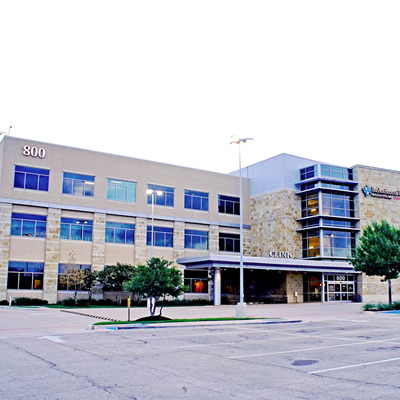
Baylor Scott & White Clinic - College Station Rock Prairie
800 Scott and White Dr , College Station, TX, 77845
- Monday: 7:30 am - 5:00 pm
- Tuesday: 7:30 am - 5:00 pm
- Wednesday: 7:30 am - 5:00 pm
- Thursday: 7:30 am - 5:00 pm
- Friday: 7:30 am - 5:00 pm
Baylor Scott & White Clinic - Pflugerville Medical Center (Building 1)
2600 E Pflugerville Pkwy Bldg 1, Ste 200, Pflugerville, TX, 78660
- Monday: 8:00 am - 5:00 pm
- Tuesday: 8:00 am - 5:00 pm
- Wednesday: 8:00 am - 5:00 pm
- Thursday: 8:00 am - 5:00 pm
- Friday: 8:00 am - 5:00 pm
- Monday: 7:30 am - 4:00 pm
- Tuesday: 7:30 am - 4:00 pm
- Wednesday: 7:30 am - 4:00 pm
- Thursday: 7:30 am - 4:00 pm
- Friday: 7:30 am - 4:00 pm
Baylor Scott & White Clinic - Pflugerville Medical Center Building 2
2600 E Pflugerville Pkwy Building 2, Pflugerville, TX, 78660
- Monday: 8:00 am - 5:00 pm
- Tuesday: 8:00 am - 5:00 pm
- Wednesday: 8:00 am - 5:00 pm
- Thursday: 8:00 am - 5:00 pm
- Friday: 8:00 am - 5:00 pm
- Monday: 8:00 am - 4:00 pm
- Tuesday: 8:00 am - 4:00 pm
- Wednesday: 8:00 am - 4:00 pm
- Thursday: 8:00 am - 4:00 pm
- Friday: 8:00 am - 4:00 pm
Baylor Scott & White Clinic - Round Rock 300 University
300A University Blvd , Round Rock, TX, 78665
- Monday: 8:00 am - 5:00 pm
- Tuesday: 8:00 am - 5:00 pm
- Wednesday: 8:00 am - 5:00 pm
- Thursday: 8:00 am - 5:00 pm
- Friday: 8:00 am - 5:00 pm
Baylor Scott & White Clinic - Temple
2401 S 31st St , Temple, TX, 76508
- Monday: 8:00 am - 5:00 pm
- Tuesday: 8:00 am - 5:00 pm
- Wednesday: 8:00 am - 5:00 pm
- Thursday: 8:00 am - 5:00 pm
- Friday: 8:00 am - 5:00 pm
Baylor Scott & White Cognitive and Behavioral Neurology Associates
9101 N Central Expy Ste 230, Dallas, TX, 75231
- Monday: 8:00 am - 4:30 pm
- Tuesday: 8:00 am - 4:30 pm
- Wednesday: 8:00 am - 4:30 pm
- Thursday: 8:00 am - 4:30 pm
- Friday: 8:00 am - 4:30 pm
Baylor Scott & White Dallas Diagnostic Association - Garland
7217 Telecom Pkwy Ste 300, Garland, TX, 75044
- Monday: 8:00 am - 4:30 pm
- Tuesday: 8:00 am - 4:30 pm
- Wednesday: 8:00 am - 4:30 pm
- Thursday: 8:00 am - 4:30 pm
- Friday: 8:00 am - 4:30 pm
- Monday: 8:00 am - 4:15 pm
- Tuesday: 8:00 am - 4:15 pm
- Wednesday: 8:00 am - 4:15 pm
- Thursday: 8:00 am - 4:15 pm
- Friday: 8:00 am - 4:15 pm
Baylor Scott & White Dallas Diagnostic Association - Garland (Satellite)
5220 W University Dr POB II, Ste 250, McKinney, TX, 75071
- Monday: 8:00 am - 5:00 pm
- Tuesday: 8:00 am - 5:00 pm
- Wednesday: 8:00 am - 5:00 pm
- Thursday: 8:00 am - 5:00 pm
- Friday: 8:00 am - 5:00 pm
Baylor Scott & White Dallas Diagnostic Association - Plano
4716 Alliance Blvd Pavilion II, Plano, TX, 75093
- Monday: 7:00 am - 5:00 pm
- Tuesday: 7:00 am - 5:00 pm
- Wednesday: 7:00 am - 5:00 pm
- Thursday: 7:00 am - 5:00 pm
- Friday: 7:00 am - 5:00 pm
- Saturday: 8:00 am - 12:00 pm
Baylor Scott & White Headache Medicine Specialists of North Texas - Dallas
9101 N Central Expy Ste 400, Dallas, TX, 75231
- Monday: 8:00 am - 4:30 pm
- Tuesday: 8:00 am - 4:30 pm
- Wednesday: 8:00 am - 4:30 pm
- Thursday: 8:00 am - 4:30 pm
- Friday: 8:00 am - 4:30 pm
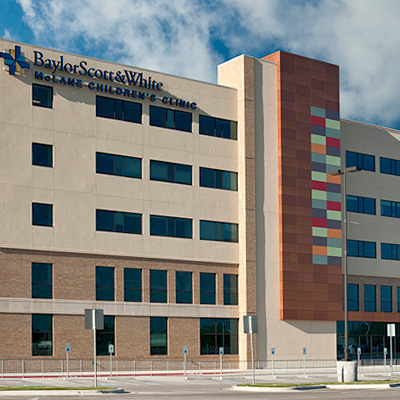
Baylor Scott & White McLane Children's at Baylor Scott & White Clinic - College Station University Drive
1700 University Dr E East Entrance 15, First Floor, Desk P, College Station, TX, 77840
- Monday: 8:00 am - 7:00 pm
- Tuesday: 8:00 am - 5:00 pm
- Wednesday: 8:00 am - 7:00 pm
- Thursday: 8:00 am - 5:00 pm
- Friday: 8:00 am - 5:00 pm
Baylor Scott & White McLane Children's Medical Center - Temple
1901 SW H K Dodgen Loop , Temple, TX, 76502
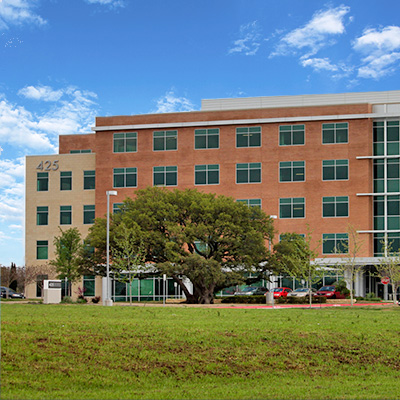
Baylor Scott & White McLane Children's Specialties at Baylor Scott & White Clinic - Round Rock 425 University
425 University Blvd , Round Rock, TX, 78665
Baylor Scott & White McLane Children's Specialty Clinic - Temple
1901 SW H K Dodgen Loop , Temple, TX, 76502
Baylor Scott & White McLane Children's Specialty Clinic - Waco Hillcrest
120 Hillcrest Medical Blvd Bldg II, Ste 101, Waco, TX, 76712
- Monday: 8:00 am - 5:00 pm
- Tuesday: 8:00 am - 5:00 pm
- Wednesday: 8:00 am - 5:00 pm
- Thursday: 8:00 am - 5:00 pm
- Friday: 8:00 am - 5:00 pm
Baylor Scott & White Medical Center - Brenham
700 Medical Pkwy , Brenham, TX, 77833
Baylor Scott & White Medical Center - Centennial
12505 Lebanon Rd , Frisco, TX, 75035
Baylor Scott & White Medical Center - College Station
700 Scott and White Dr , College Station, TX, 77845
Baylor Scott & White Medical Center - Frisco at PGA Parkway
7600 Better Way , Frisco, TX, 75033
Baylor Scott & White Medical Center - Grapevine
1650 W College St , Grapevine, TX, 76051
Baylor Scott & White Medical Center - Hillcrest
100 Hillcrest Medical Blvd , Waco, TX, 76712
Baylor Scott & White Medical Center - Irving
1901 N MacArthur Blvd , Irving, TX, 75061
Baylor Scott & White Medical Center - Lake Pointe
6800 Scenic Dr , Rowlett, TX, 75088
Baylor Scott & White Medical Center - Lakeway
100 Medical Pkwy , Lakeway, TX, 78738
Baylor Scott & White Medical Center - Marble Falls
810 W State Hwy 71 , Marble Falls, TX, 78654
Baylor Scott & White Medical Center - McKinney
5252 W University Dr Highway 380 at Lake Forest Drive, McKinney, TX, 75071
Baylor Scott & White Medical Center - Plano
4700 Alliance Blvd , Plano, TX, 75093
Baylor Scott & White Medical Center - Round Rock
300 University Blvd , Round Rock, TX, 78665
Baylor Scott & White Medical Center - Sunnyvale
231 S Collins Rd , Sunnyvale, TX, 75182
Baylor Scott & White Medical Center - Taylor
305 Mallard Ln , Taylor, TX, 76574
Baylor Scott & White Medical Center - Temple
2401 S 31st St , Temple, TX, 76508
Baylor Scott & White Medical Center - Waxahachie
2400 N Interstate 35E , Waxahachie, TX, 75165
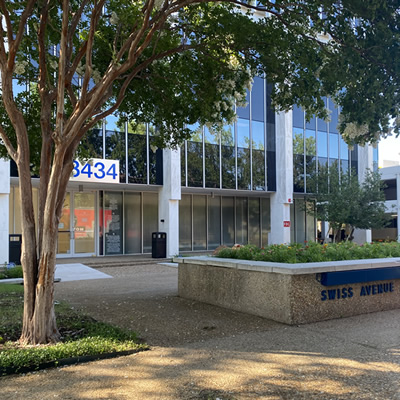
Baylor Scott & White Neurology - Dallas
3434 Swiss Ave Ste 400, Dallas, TX, 75204
- Monday: 8:00 am - 4:30 pm
- Tuesday: 8:00 am - 4:30 pm
- Wednesday: 8:00 am - 4:30 pm
- Thursday: 8:00 am - 4:30 pm
- Friday: 8:00 am - 2:00 pm
Baylor Scott & White Neurology - Irving
2021 N MacArthur Blvd Ste 210, Irving, TX, 75061
- Monday: 8:00 am - 4:30 pm
- Tuesday: 8:00 am - 4:30 pm
- Wednesday: 8:00 am - 4:30 pm
- Thursday: 8:00 am - 4:30 pm
- Friday: 8:00 am - 1:00 pm
Baylor Scott & White Neurology - Lake Pointe
7600 Lakeview Pkwy Ste 150, Rowlett, TX, 75088
- Monday: 8:00 am - 4:00 pm
- Tuesday: 8:00 am - 4:00 pm
- Wednesday: 8:00 am - 4:00 pm
- Thursday: 8:00 am - 4:00 pm
- Friday: 8:00 am - 4:00 pm
Baylor Scott & White Neurology - McKinney
5236 W University Dr Ste 3700, McKinney, TX, 75071
- Monday: 8:00 am - 5:00 pm
- Tuesday: 8:00 am - 5:00 pm
- Wednesday: 8:00 am - 5:00 pm
- Thursday: 8:00 am - 5:00 pm
- Friday: 8:00 am - 5:00 pm
Baylor Scott & White Neurology - Plano
4708 Alliance Blvd Pavilion I, Ste 550, Plano, TX, 75093
- Monday: 8:00 am - 5:00 pm
- Tuesday: 8:00 am - 5:00 pm
- Wednesday: 8:00 am - 5:00 pm
- Thursday: 8:00 am - 5:00 pm
- Friday: 8:00 am - 4:30 pm
Baylor Scott & White Neurology Hospitalist Group - Plano
4700 Alliance Blvd , Plano, TX, 75093
Baylor Scott & White Neuroscience Center
9101 N Central Expy Ste 400, Dallas, TX, 75231
Baylor Scott & White Neurosciences Clinic - Waco
50 Hillcrest Medical Blvd Ste 201-A, Waco, TX, 76712
- Monday: 8:00 am - 5:00 pm
- Tuesday: 8:00 am - 5:00 pm
- Wednesday: 8:00 am - 5:00 pm
- Thursday: 8:00 am - 5:00 pm
- Friday: 8:00 am - 5:00 pm
Baylor Scott & White Specialty Clinic - Horseshoe Bay
201 Bay West Blvd , Horseshoe Bay, TX, 78657
- Monday: 8:00 am - 5:00 pm
- Tuesday: 8:00 am - 5:00 pm
- Wednesday: 8:00 am - 5:00 pm
- Thursday: 8:00 am - 5:00 pm
- Friday: 8:00 am - 5:00 pm
Baylor Scott & White Specialty Clinic - Killeen Hemingway
2405 S Clear Creek Rd , Killeen, TX, 76549
- Monday: 8:00 am - 5:00 pm
- Tuesday: 8:00 am - 5:00 pm
- Wednesday: 8:00 am - 5:00 pm
- Thursday: 8:00 am - 5:00 pm
- Friday: 8:00 am - 5:00 pm
Baylor Scott & White Specialty Clinic - Lakeway
200 Medical Pkwy , Lakeway, TX, 78738
- Monday: 8:00 am - 5:00 pm
- Tuesday: 8:00 am - 5:00 pm
- Wednesday: 8:00 am - 5:00 pm
- Thursday: 8:00 am - 5:00 pm
- Friday: 8:00 am - 5:00 pm
Baylor Scott & White Specialty Clinic - Marble Falls
800 W State Hwy 71 , Marble Falls, TX, 78654
- Monday: 8:00 am - 5:30 pm
- Tuesday: 8:00 am - 5:30 pm
- Wednesday: 8:00 am - 5:30 pm
- Thursday: 8:00 am - 5:30 pm
- Friday: 8:00 am - 5:30 pm
Baylor University Medical Center, part of Baylor Scott & White Health
3500 Gaston Ave , Dallas, TX, 75246
The Headache Center at Baylor University Medical Center
9101 N Central Expy Ste 400, Dallas, TX, 75231
Frequently asked questions
-
Can craniopharyngioma be cured?
Yes, craniopharyngioma can often be cured with surgery or radiation. Most people do well, and the chance of a cure is high. But the tumor can come back, especially in the first couple of years, so regular checkups are important.
-
Is craniopharyngioma a pituitary tumor?
No, a craniopharyngioma is not a pituitary tumor, but it grows close to the pituitary gland and can affect how it works. These tumors form near the pituitary stalk, which connects the gland to the brain. Even though they don’t start in the pituitary itself, they can press on it and cause hormone problems or other symptoms.
-
Is craniopharyngioma cancer?
No, craniopharyngioma isn’t cancer. It’s a noncancerous brain tumor that usually grows slowly and doesn’t spread to other parts of the body. It often forms near the pituitary gland at the base of the brain. While it’s not cancer, it can still cause health problems because of where it grows and the pressure it puts on nearby parts of the brain.
-
Is craniopharyngioma hereditary?
No, craniopharyngioma is not typically hereditary. Although genetic mutations can cause it, these mutations usually happen randomly during cell division and are not passed down from parents. Familial cases are rare but have been reported.
-
Is craniopharyngioma malignant?
No, craniopharyngioma is not malignant. It is a benign (noncancerous) brain tumor that typically develops near the pituitary gland at the base of the brain. Craniopharyngiomas are usually slow-growing and do not spread to other parts of the body.