What is an ischemic stroke?

An ischemic stroke is a medical emergency that happens when a blood vessel becomes blocked in your brain, interrupting blood flow to a portion of the brain. Brain cells can’t function when they are deprived of the vital oxygen and nutrients that your blood cells carry. Ischemic strokes are the most common type of stroke, accounting for nearly 90% of all strokes. The other type of stroke is hemorrhagic stroke, when there is bleeding in the brain.

If you think you or someone else is having a stroke, call 911 right away. Quick diagnosis and treatment can save a life—every second matters.

Types of ischemic strokes

There are two main types of ischemic strokes:

  • Thrombotic stroke: This happens when a blood clot forms in the brain and blocks blood flow.
  • Embolic stroke: This occurs when a clot forms elsewhere in the body, travels to the brain, and gets stuck in a blood vessel.

Ischemic stroke symptoms

Ischemic stroke symptoms typically come on quickly without another apparent cause. Symptoms can differ depending on the part of the brain being deprived of blood. Men and women both experience many of the same stroke symptoms, but some symptoms, such as disorientation, fatigue, nausea, vomiting and weakness, may be more common in women.

Symptoms of an ischemic stroke include:

  • Confusion
  • Changes to mood or personality
  • Difficulty with speaking and understanding, such as slurring of speech
  • Difficulty walking
  • Dizziness
  • Drooping of the face, especially on one side
  • Drowsiness
  • Fatigue
  • Loss of balance
  • Nausea or vomiting
  • Weakness in your arm or leg, often on just one side of your body
  • Problems with seeing, hearing, touch and other senses
  • Trouble with coordination
  • Unconsciousness or coma
  • Numbness or tingling, especially on one side of the body

    When to see a doctor

    Ischemic stroke causes

    The most common cause of ischemic stroke is a condition called atherosclerosis, where fatty deposits (called plaque) build up inside blood vessels. These deposits can cause two types of blockages:

    • Cerebral thrombosis happens when a blood clot forms where plaque has built up in a vessel that supplies blood to the brain. This can occur in the small vessels in the brain.
    • Cerebral embolism occurs when a blood clot forms in the large arteries in the chest or neck. The clot can break loose, travel through the bloodstream, and get stuck in smaller brain vessels. Sometimes blood clots can block an artery in the neck completely, causing the stroke.

    The second most common cause of ischemic stroke is embolism, or blockage in a blood vessel, from the heart that travels to the brain. An irregular heartbeat called atrial fibrillation  is the most likely cause of this type of stroke. There are other possible causes of embolic stroke, such as:

    • Heart failure
    • Clotting disorders
    • Infections in the bloodstream
    • A hole in the heart, a condition called a patent foramen ovale

    Ischemic stroke risk factors

    While you never know exactly when a stroke will happen, ischemic stroke has known risk factors. In some cases, you can control your risk through lifestyle changes or by working with your doctor. Sometimes, you can’t control your risk factors, but knowing what they are helps you take extra steps to protect yourself.

    Risk factors you cannot control

    • Age: People of any age can have a stroke, but your risk increases as you get older.
    • Family history: Your risk is higher if someone in your close family—a parent, brother or sister—has had a stroke.
    • History of heart attack: Heart attacks share many stroke risk factors, such as high cholesterol.
    • History of stroke or TIA: One stroke or TIA increases the likelihood of having another stroke.
    • Race: Black and Hispanic people have a higher risk than white people.
    • Sex: Women’s risk of stroke is higher than men’s.

    Complications

    Ischemic stroke can have severe complications and may even be fatal. The type and severity of complications depend on the location of the blockage and how much of the brain was damaged. Ischemic stroke complications include:

    • Venous blood clots: If you are unable to walk around after a stroke, blood clots may form.
    • Incontinence: You may have trouble controlling your bladder or bowels.
    • Language problems: These include difficulty communicating or understanding.
    • Loss of physical senses: You may have difficulty with hearing, sight or sensation.
    • Physical weakness or difficulty moving: This can hinder your ability to work or perform daily tasks.
    • Problems with thinking and memory: You may have issues with concentration or decision-making.
    • Seizures: These are more likely in the first few weeks after a stroke but can happen at any time.
    • Speech and swallowing problems: These can affect eating and talking. You can get pneumonia if you inhale food or drink into your lungs.

    How is an ischemic stroke diagnosed?

    An ischemic stroke is a serious medical emergency, and getting help fast can save a life. If you or someone around you shows signs of a stroke, call 911 immediately.

    Doctors diagnose strokes in the emergency room by asking about your medical history, checking your brain and nerve function with a physical exam and doing imaging tests. Since quick treatment is key to preventing serious damage, doctors work fast to confirm a stroke and start care right away. Your ER doctor might order a computerized tomography (CT) scan of your brain to check for a stroke. However, if it's an ischemic stroke caused by a blocked blood vessel, it might not show up right away because early changes in the brain can be too subtle for the scan to detect. Still, the scan helps doctors quickly decide on the best emergency treatment.

    Ischemic stroke treatment

    If someone has stroke symptoms, getting emergency medical care right away is critical. Fast treatment can save lives, limit brain damage and improve recovery. Stroke treatment focuses on preventing serious complications, reducing the risk of another stroke and minimizing long-term effects. Rehabilitation is also an important part of recovery, helping individuals regain strength, independence and quality of life.

    Medication

    Doctors may use a medication called tissue plasminogen activator (tPA or alteplase) or Tenecteplase (TNK) to break up blood clots and restore blood flow to the brain. For the best results, the clot-busting medication should be given within 4.5 hours of when stroke symptoms first appear. That’s why it’s so important to get emergency care right away.

    If the clot-buster medication isn’t an option, doctors may prescribe aspirin or other blood thinners to help prevent new clots from forming. These medications can also help lower the risk of future strokes.

    After a stroke, some people may need medications to reduce brain swelling or pressure. Others might require oxygen therapy or IV fluids to stay hydrated and get the nutrients they need for recovery.

    Find a location near you

    If you or a loved one exhibits signs of an ischemic stroke, seek medical attention immediately. Our hospitals across North and Central Texas have specialized stroke care teams prepared to evaluate and treat potential stroke cases quickly. Find a nearby location to receive prompt care and lower the chances of severe complications or a full stroke.
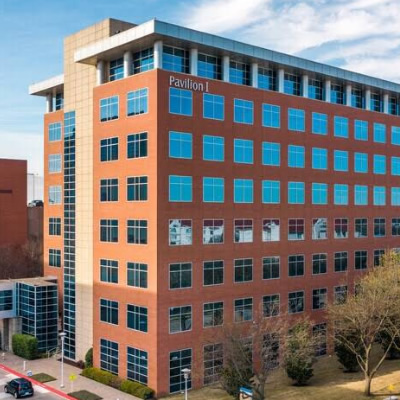
    Baylor Scott & White - Plano Brain and Spine Center

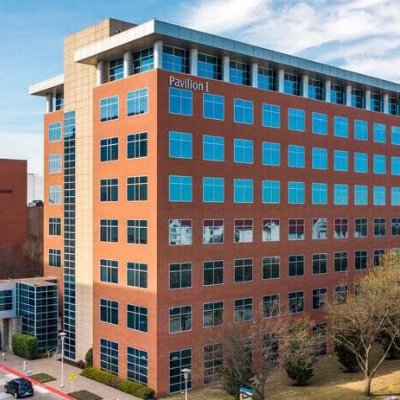
    4708 Alliance Blvd Pavilion I, Ste 810, Plano, TX, 75093

    Not accepting walk-ins

    Accepting walk-ins

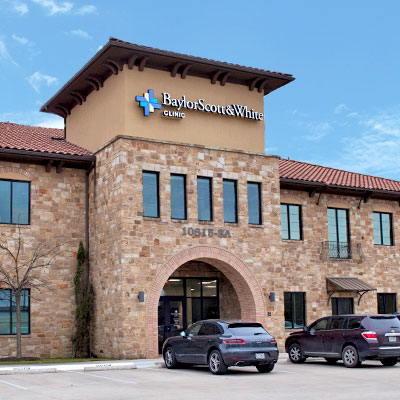
    Baylor Scott & White Clinic - Austin River Place

    10815 Ranch Rd 2222 , Austin, TX, 78730

    Not accepting walk-ins

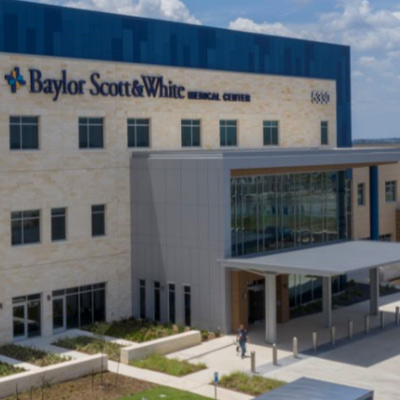
    Baylor Scott & White Clinic - Buda Medical Center

    5330 Overpass Rd Ste 100, Buda, TX, 78610

    Not accepting walk-ins

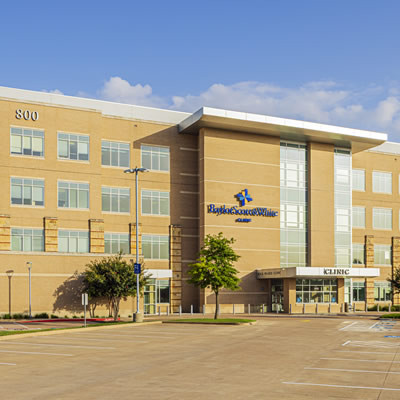
    Baylor Scott & White Clinic - College Station Rock Prairie

    800 Scott and White Dr , College Station, TX, 77845

    Not accepting walk-ins

    Baylor Scott & White Clinic - Pflugerville Medical Center (Building 1)

    2600 E Pflugerville Pkwy Bldg 1, Ste 200, Pflugerville, TX, 78660

    Not accepting walk-ins

    Baylor Scott & White Clinic - Pflugerville Medical Center Building 2

    2600 E Pflugerville Pkwy Building 2, Pflugerville, TX, 78660

    Not accepting walk-ins

    Baylor Scott & White Clinic - Round Rock 300 University

    300A University Blvd , Round Rock, TX, 78665

    Not accepting walk-ins

    Baylor Scott & White Clinic - Temple

    2401 S 31st St , Temple, TX, 76508

    Not accepting walk-ins

    9101 N Central Expy Ste 230, Dallas, TX, 75231

    Not accepting walk-ins

    Baylor Scott & White Dallas Diagnostic Association - Garland

    7217 Telecom Pkwy Ste 300, Garland, TX, 75044

    Not accepting walk-ins

    5220 W University Dr POB II, Ste 250, McKinney, TX, 75071

    Not accepting walk-ins

    4716 Alliance Blvd Pavilion II, Plano, TX, 75093

    Not accepting walk-ins

    Not accepting walk-ins

    Baylor Scott & White Institute for Rehabilitation - Dallas

    909 N Washington Ave , Dallas, TX, 75246

    Accepting walk-ins

    Not accepting walk-ins

    Accepting walk-ins

    Baylor Scott & White McLane Children's Medical Center - Temple

    1901 SW H K Dodgen Loop , Temple, TX, 76502

    Accepting walk-ins

    Baylor Scott & White McLane Children's Specialty Clinic - Temple

    1901 SW H K Dodgen Loop , Temple, TX, 76502

    Not accepting walk-ins

    Baylor Scott & White Medical Center - Brenham

    700 Medical Pkwy , Brenham, TX, 77833

    Accepting walk-ins

    Baylor Scott & White Medical Center - Centennial

    12505 Lebanon Rd , Frisco, TX, 75035

    Accepting walk-ins

    Baylor Scott & White Medical Center - College Station

    700 Scott and White Dr , College Station, TX, 77845

    Accepting walk-ins

    Baylor Scott & White Medical Center - Grapevine

    1650 W College St , Grapevine, TX, 76051

    Accepting walk-ins

    Baylor Scott & White Medical Center - Hillcrest

    100 Hillcrest Medical Blvd , Waco, TX, 76712

    Accepting walk-ins

    Baylor Scott & White Medical Center - Irving

    1901 N MacArthur Blvd , Irving, TX, 75061

    Accepting walk-ins

    Baylor Scott & White Medical Center - Lake Pointe

    6800 Scenic Dr , Rowlett, TX, 75088

    Accepting walk-ins

    Baylor Scott & White Medical Center - Lakeway

    100 Medical Pkwy , Lakeway, TX, 78738

    Accepting walk-ins

    Baylor Scott & White Medical Center - Marble Falls

    810 W State Hwy 71 , Marble Falls, TX, 78654

    Accepting walk-ins

    Baylor Scott & White Medical Center - McKinney

    5252 W University Dr Highway 380 at Lake Forest Drive, McKinney, TX, 75071

    Accepting walk-ins

    Baylor Scott & White Medical Center - Plano

    4700 Alliance Blvd , Plano, TX, 75093

    Accepting walk-ins

    Baylor Scott & White Medical Center - Round Rock

    300 University Blvd , Round Rock, TX, 78665

    Accepting walk-ins

    Baylor Scott & White Medical Center - Sunnyvale

    231 S Collins Rd , Sunnyvale, TX, 75182

    Accepting walk-ins

    Baylor Scott & White Medical Center - Taylor

    305 Mallard Ln , Taylor, TX, 76574

    Accepting walk-ins

    Baylor Scott & White Medical Center - Temple

    2401 S 31st St , Temple, TX, 76508

    Accepting walk-ins

    Baylor Scott & White Medical Center - Waxahachie

    2400 N Interstate 35E , Waxahachie, TX, 75165

    Accepting walk-ins

    Baylor Scott & White Neurology - Dallas

    3434 Swiss Ave Ste 400, Dallas, TX, 75204

    Not accepting walk-ins

    Baylor Scott & White Neurology - Irving

    2021 N MacArthur Blvd Ste 210, Irving, TX, 75061

    Not accepting walk-ins

    7600 Lakeview Pkwy Ste 150, Rowlett, TX, 75088

    Not accepting walk-ins

    Baylor Scott & White Neurology - McKinney

    5236 W University Dr Ste 3700, McKinney, TX, 75071

    Not accepting walk-ins

    Baylor Scott & White Neurology - Plano

    4708 Alliance Blvd Pavilion I, Ste 550, Plano, TX, 75093

    Not accepting walk-ins

    Baylor Scott & White Neurology Hospitalist Group - Plano
    Baylor Scott & White Neurology Hospitalist Group - Plano

    4700 Alliance Blvd , Plano, TX, 75093

    Not accepting walk-ins

    9101 N Central Expy Ste 400, Dallas, TX, 75231

    Not accepting walk-ins

    Baylor Scott & White Neurosciences Clinic - Waco

    50 Hillcrest Medical Blvd Ste 201-A, Waco, TX, 76712

    Not accepting walk-ins

    201 Bay West Blvd , Horseshoe Bay, TX, 78657

    Not accepting walk-ins

    Baylor Scott & White Specialty Clinic - Killeen Hemingway

    2405 S Clear Creek Rd , Killeen, TX, 76549

    Not accepting walk-ins

    Baylor Scott & White Specialty Clinic - Lakeway

    200 Medical Pkwy , Lakeway, TX, 78738

    Not accepting walk-ins

    Baylor Scott & White Specialty Clinic - Marble Falls

    800 W State Hwy 71 , Marble Falls, TX, 78654

    Accepting walk-ins

    Frequently asked questions

    Loading...