You can take steps to prevent a heart attack

Like all the muscles in your body, your heart muscle needs oxygen to do its job. Blood brings oxygen to your heart, and when oxygen-rich blood is blocked or slowed, you can have a heart attack.

During a heart attack, a blockage or clot deprives part of the heart muscle of blood. The faster you get care, the less injury your heart experiences. Quick, comprehensive treatment can help your recovery and your return to daily life after having a heart attack.

Symptoms of a heart attack

Angina, or chest pain, is the most common warning sign of a heart attack, but there are many other symptoms, including:

  • Breaking out in a cold sweat
  • Chest discomfort (pressure, squeezing or fullness that comes and goes or lasts for a few minutes or longer)
  • Feeling faint, weak or unusually tired
  • Feeling lightheaded or dizzy
  • Nausea or vomiting
  • Pain or discomfort in the arms, back, jaw, neck, shoulders or stomach
  • Shortness of breath
daughter hugging mother who is at risk for a heart attack over the shoulders smiling at the camera

What causes a heart attack?

Heart attacks mostly occur when plaque made up of fat, cholesterol and other substances builds up inside the walls of your coronary arteries. This plaque buildup causes the arteries to narrow, and the plaque can break off, forming blood clots. Narrowed arteries and blood clots can prevent blood from reaching your heart, causing a heart attack.

The slow buildup of plaque, called atherosclerosis, can cause coronary artery disease, and coronary artery disease is the most common cause of heart attacks in adults. Unfortunately, you can’t feel plaque building up in your arteries, and a heart attack can be the first sign you have coronary artery disease.

Heart attacks can also occur when one of the coronary arteries contracts or spasms suddenly, as this interrupts blood flow. In other rare cases, the coronary artery can tear unexpectedly, which is called spontaneous coronary artery dissection.

close up of CT cardiovascular imaging showing patient's risk of heart attack

Heart attack risk factors

Many factors increase your risk of having a heart attack, some of which you can control and some you can’t.

A healthy lifestyle and regular visits with your primary care provider can help reduce these risk factors:

Women who had preeclampsia (a type of high blood pressure) during pregnancy also face a higher risk of heart attacks later in life.

The good news is that you can protect your heart regardless of your medical history, age, sex, or family history. If you have any of the risk factors above, talk to your provider about steps to improve your heart health.

Diagnosing a heart attack

It’s crucial to dial 911 for medical assistance and to reach the emergency room promptly if you suspect a heart attack. Emergency medical personnel can offer initial treatments in the ambulance and will alert the hospital’s medical team that you’re on the way.

Healthcare providers can diagnose heart attacks using a physical exam, which includes checking the person’s pulse, measuring blood oxygen levels and blood pressure, and listening to heart and lung sounds. Additionally, different imaging and diagnostic tests are used:

Imaging and physiologic signal testing

Tests can be performed that show aspects of the heart structure and functionality that may indicate a heart attack. An electrocardiogram measures your heart’s electrical activity and how well it’s working. Imaging tests, including angiograms, cardiac CT scans and MRIs, provide detailed pictures of the heart to help physicians identify problematic areas and abnormalities.

Treatments for a heart attack

Emergency treatment for a heart attack focuses on clearing the blockage causing your heart attack and restoring blood flow to your heart.

Medications

Depending on the severity of your heart attack and other underlying health conditions, one or a combination of medications may be prescribed to help your recovery and manage risks and symptoms for future heart attacks.

For example, statins help reduce fatty deposits in your arteries. Beta-blockers manage blood pressure and heart rate levels. Additionally, your physician may give you medication, such as aspirin, that helps prevent blood clots and other heart attacks.

Find a location near you

Our cardiologists are dedicated to helping you recover from a heart attack as quickly and thoroughly as possible. You have access to high-quality emergency and follow-up heart care at locations across North and Central Texas, so you can get back in action and protect your heart for the long term.

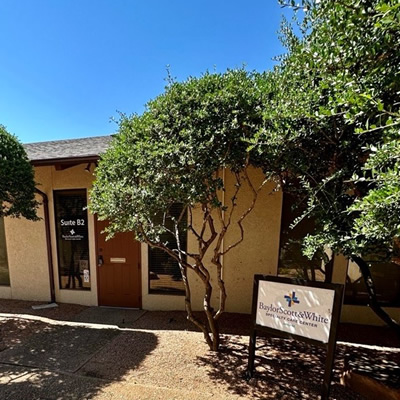
Baylor Scott & White Advanced Heart Failure Clinic - Abilene

1219 E South 11th St Ste B2, Abilene, TX, 79602

Not accepting walk-ins

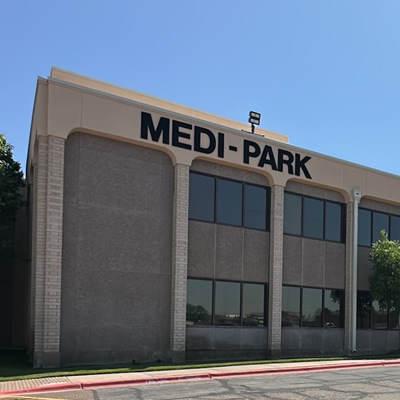
Baylor Scott & White Advanced Heart Failure Clinic - Amarillo

1901 Medi Park Dr Ste 2051, Amarillo, TX, 79106

Not accepting walk-ins

Baylor Scott & White Advanced Heart Failure Clinic - Dallas

3410 Worth St Ste 250, Dallas, TX, 75246

Not accepting walk-ins

Not accepting walk-ins

Not accepting walk-ins

Not accepting walk-ins

Not accepting walk-ins

Not accepting walk-ins

Baylor Scott & White Cardiac Surgery - Dallas

621 N Hall St Ste 120, Dallas, TX, 75226

Not accepting walk-ins

Not accepting walk-ins

Baylor Scott & White Cardiology Consultants of Texas - Greenville

4400 Interstate 30 W Ste 300, Greenville, TX, 75402

Not accepting walk-ins

Not accepting walk-ins

Not accepting walk-ins

Baylor Scott & White Cardiology Consultants of Texas - Park Cities

9101 N Central Expy Ste 250, Dallas, TX, 75231

Not accepting walk-ins

Baylor Scott & White Cardiology Consultants of Texas - Red Oak

301 E Ovilla Rd Ste 100, Red Oak, TX, 75154

Not accepting walk-ins

Baylor Scott & White Cardiology Consultants of Texas - Waxahachie

2360 N Interstate 35E Ste 110, Waxahachie, TX, 75165

Not accepting walk-ins

Baylor Scott & White Cardiothoracic Surgery - Irving

1110 Cottonwood Ln Ste 215, Irving, TX, 75038

Not accepting walk-ins

Not accepting walk-ins

Baylor Scott & White Cardiovascular Consultants - Grapevine

2020 W State Hwy 114 Ste 200, Grapevine, TX, 76051

Not accepting walk-ins

Baylor Scott & White Cardiovascular Consultants - Highland Village

1401 Shoal Creek Ste 240, Highland Village, TX, 75077

Not accepting walk-ins

Baylor Scott & White Cardiovascular Consultants - Keller

620 S Main St Ste 240, Keller, TX, 76248

Not accepting walk-ins

Baylor Scott & White Cardiovascular Consultants - Plano

6000 W Spring Creek Pkwy Ste 220, Plano, TX, 75024

Not accepting walk-ins

Baylor Scott & White Cardiovascular Consultants - Plano II

4708 Alliance Blvd Pavilion I, Ste 450 , Plano, TX, 75093

Not accepting walk-ins

Baylor Scott & White Cardiovascular Consultants at The Star

3800 Gaylord Pkwy Ste 910, Frisco, TX, 75034

Not accepting walk-ins

Baylor Scott & White Cardiovascular Specialists - Mesquite

5308 N Galloway Ave Ste 201, Mesquite, TX, 75150

Not accepting walk-ins

Baylor Scott & White Cardiovascular Specialists - Rockwall

6705 Heritage Pkwy Ste 202, Rockwall, TX, 75087

Not accepting walk-ins

Baylor Scott & White Clinic - Austin Downtown

200 E Cesar Chavez St Ste G140, Austin, TX, 78701

Not accepting walk-ins

Baylor Scott & White Clinic - Austin North Burnet

2608 Brockton Dr, Austin, TX, 78758

Not accepting walk-ins

Baylor Scott & White Clinic - Austin Oak Hill

5251 US 290, Austin, TX, 78735

Not accepting walk-ins

Baylor Scott & White Clinic - Austin River Place

10815 Ranch Rd 2222, Austin, TX, 78730

Not accepting walk-ins

Baylor Scott & White Clinic - Brenham Hwy 290

604 US 290, Brenham, TX, 77833

Not accepting walk-ins

Baylor Scott & White Clinic - Buda Medical Center

5330 Overpass Rd Ste 100, Buda, TX, 78610

Not accepting walk-ins

Baylor Scott & White Clinic - Cedar Park

910 E Whitestone Blvd, Cedar Park, TX, 78613

Not accepting walk-ins

Baylor Scott & White Clinic - College Station Rock Prairie

800 Scott and White Dr, College Station, TX, 77845

Not accepting walk-ins

Baylor Scott & White Clinic - Copperas Cove

239 W US Hwy 190, Copperas Cove, TX, 76522

Accepting walk-ins

Baylor Scott & White Clinic - Georgetown

4945 Williams Dr, Georgetown, TX, 78633

Not accepting walk-ins

Baylor Scott & White Clinic - Pflugerville Medical Center (Building 1)

2600 E Pflugerville Pkwy Bldg 1, Ste 200, Pflugerville, TX, 78660

Not accepting walk-ins

Baylor Scott & White Clinic - Round Rock 302 University

302 University Blvd, Round Rock, TX, 78665

Not accepting walk-ins

Baylor Scott & White Clinic - Taylor

403 Mallard Ln, Taylor, TX, 76574

Not accepting walk-ins

Baylor Scott & White Clinic - Temple

2401 S 31st St, Temple, TX, 76508

Not accepting walk-ins

Baylor Scott & White Cottonwood Cardiology - Grand Prairie

2740 N State Highway 360 Ste 100, Grand Prairie, TX, 75050

Not accepting walk-ins

Baylor Scott & White Cottonwood Cardiology - Irving

1110 Cottonwood Ln, Irving, TX, 75038

Not accepting walk-ins

Baylor Scott & White Cottonwood Cardiology - Lake Ridge

3095 Kingswood Blvd Suite 250, Grand Prairie, TX, 75052

Not accepting walk-ins

Baylor Scott & White Denton Heart Group

3333 Colorado Blvd, Denton, TX, 76210

Not accepting walk-ins

Baylor Scott & White Denton Heart Group - Gainesville

201 N Interstate 35 Ste 140, Gainesville, TX, 76240

Not accepting walk-ins

Baylor Scott & White Heart and Wellness Center - Irving

2001 N MacArthur Blvd Bldg I, Ste 140, Irving, TX, 75061

Not accepting walk-ins

Baylor Scott & White Hillcrest Cardiology Clinic

50 Hillcrest Medical Blvd Ste 303, Waco, TX, 76712

Not accepting walk-ins

Baylor Scott & White Hillcrest Cardiothoracic and Vascular Surgery

50 Hillcrest Medical Blvd Ste 303-B, Waco, TX, 76712

Not accepting walk-ins

Baylor Scott & White Hillcrest Congestive Heart Failure Clinic

120 Hillcrest Medical Blvd Ste 103, Waco, TX, 76712

Not accepting walk-ins

Frequently asked questions