What is spinal stenosis?

Spinal stenosis is a condition where the spaces in your spine become narrower. Your spine has a tunnel called the spinal canal, which holds your spinal cord. When the space in this canal shrinks, it can put pressure on your spinal cord and the nerves that branch off from it, causing pain, numbness and other problems with your nerves.

When the spinal canal gets too tight, it can irritate or pinch your spinal cord or nerves, which often leads to back pain or conditions like sciatica (pain that travels down your legs). Spinal stenosis can happen for several reasons, including age-related changes, injuries or conditions that affect the spine.

While anyone can develop spinal stenosis, it’s most common in people over 50 years old, as the spine naturally changes and wears down over time.

Spinal stenosis most often affects two areas of your spine:

  • Lower back (lumbar spinal stenosis): The lower back is made up of five large vertebrae (bones) that support most of your body’s weight. If the space in this area narrows, it can cause pain or weakness in your lower back and legs.
  • Neck (cervical spinal stenosis): The neck has seven vertebrae. When the space here shrinks, it can cause pain or numbness in the neck, shoulders, arms and hands, and may even make it harder to walk or maintain balance.

older man stretching outdoors after recovering from treatment for spinal stenosis

Spinal stenosis symptoms

For most people, spinal stenosis symptoms develop slowly over time, and some may not experience any symptoms at all.

The symptoms you feel depend on where the narrowing occurs in your spine. If the narrowing is in the lower back, symptoms may include:

  • Lower back pain
  • A burning or aching pain that travels down the buttocks and legs, often getting worse when standing or walking and improving when leaning forward
  • Numbness, tingling or cramping in the legs and feet, which may be more noticeable when standing or walking
  • Weakness in the legs and feet

If the narrowing occurs in the neck, symptoms can include:

  • Neck pain
  • Numbness or tingling that moves down the arms into the hands
  • Weakness in the hand, arm or fingers

Symptoms may worsen when standing, walking or extending the lower back, but they can improve with sitting or bending the lower back or neck, as this position “opens up” the spinal canal, creating more space for the nerves.

In more severe cases of spinal stenosis, you may also experience problems with:

What causes spinal stenosis?

Spinal stenosis happens when the spaces in your spine narrow, putting pressure on the spinal cord and nerves. Normally, the spinal canal provides enough space for the spinal cord and the nerves that branch off it. However, several factors can contribute to the narrowing of this space, including aging, injury and other health conditions.

Aging and age-related changes

As we age, natural changes in the spine can lead to spinal stenosis. These changes occur gradually over time and are the most common causes of the condition.

  • Thickening of ligaments: The ligaments that hold the vertebrae (bones) of the spine in place can become thicker and harder with age. This can reduce the space available for the spinal cord and nerves.
  • Bone growth: As bones and joints age, they may enlarge, and bone spurs (also called osteophytes) can develop. These spurs can press on the nerves or spinal cord, narrowing the spinal canal.
  • Herniated discs: Discs are cushion-like pads between the vertebrae. As we age, these discs can dry out and crack, causing them to bulge and put pressure on the spinal cord or nerve roots.
  • Facet joint changes: The facet joints in the back of the spine help with movement. When the spine becomes unstable, the capsules around these joints thicken, leading to bone spurs that can decrease the space around the nerves, contributing to stenosis.
  • Spondylolisthesis: This occurs when one vertebra slips out of place over another, causing misalignment of the spine and pressure on the spinal cord or nerves.

How is spinal stenosis diagnosed?

To diagnose spinal stenosis, your doctor will start by discussing your symptoms and reviewing your medical history. They’ll also perform a physical exam to assess your spine, movement and nerve function. To get a better view of your spine, your doctor may recommend imaging tests, which help confirm if spinal stenosis is the cause of your symptoms and guide the development of the best treatment plan for you.

Spinal stenosis treatment

There are several treatment options for spinal stenosis, and the best approach depends on the cause, location and severity of your symptoms. If your symptoms are mild, your healthcare provider may start with at-home care options. If these methods don’t provide relief or if your symptoms worsen, your provider may suggest physical therapy, medications or injections. In more severe cases, surgery may be recommended if other treatments are not effective in relieving your discomfort and improving function.

Lifestyle changes and home treatments

Making some changes at home and adopting healthy habits can help you manage the symptoms of spinal stenosis and feel more comfortable. Here are some simple treatments you can try:

  • Heat and cold therapy: Heat can help relax your muscles and ease joint pain, especially for osteoarthritis. It improves blood flow and can help with stiffness. Just be careful not to use heat that’s too hot to avoid burns.

    If heat isn’t helping, ice might be a better option. You can use an ice pack, frozen gel pack or even a bag of frozen peas. Apply it for 20 minutes on and 20 minutes off to help reduce swelling and inflammation.
  • Exercise: Talk to your doctor before starting, but regular exercise can be helpful. It can reduce pain, strengthen muscles that support your spine and improve flexibility and balance to prevent further discomfort.
  • Weight loss: Losing weight or maintaining a healthy weight can help keep pressure off your spine. In addition, using a walker or other assistive device if you have trouble walking can help you remain stable.

Find specialized spinal stenosis care near you

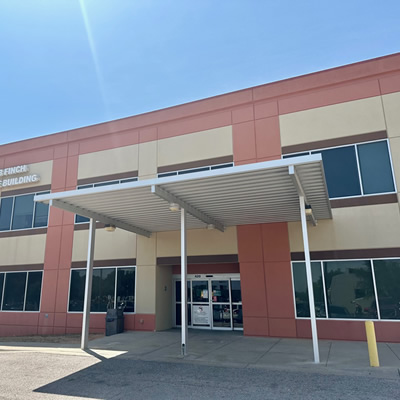
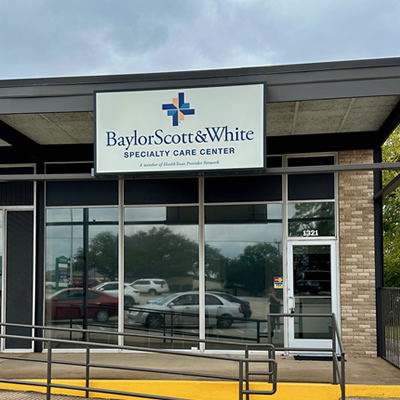
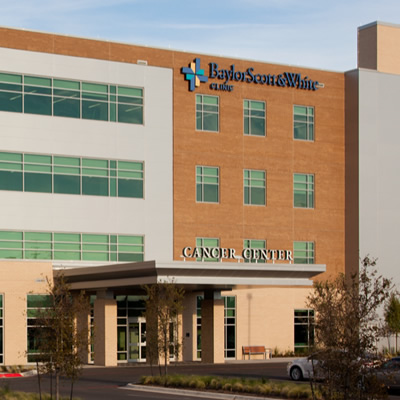
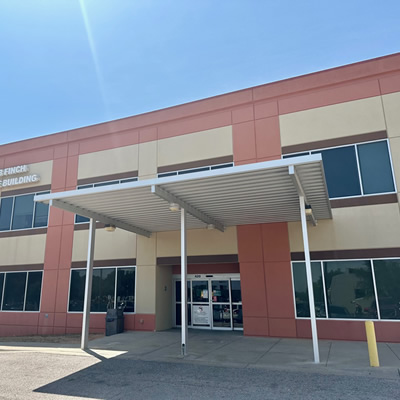
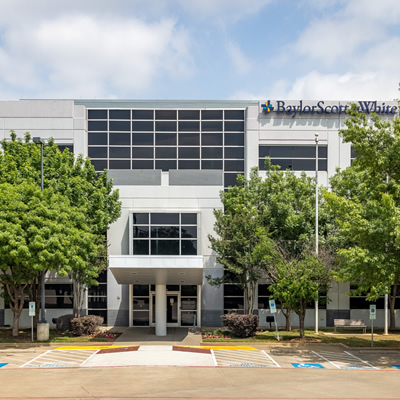
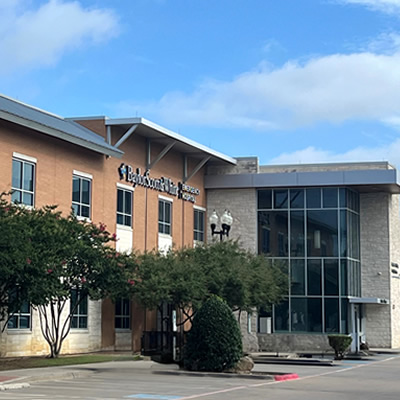
Baylor Scott & White offers several convenient locations across North and Central Texas for spinal stenosis care. Whether you're seeking neurology, orthopedic or spine care, our specialized centers are here to provide expert diagnosis and personalized treatment tailored to your needs.

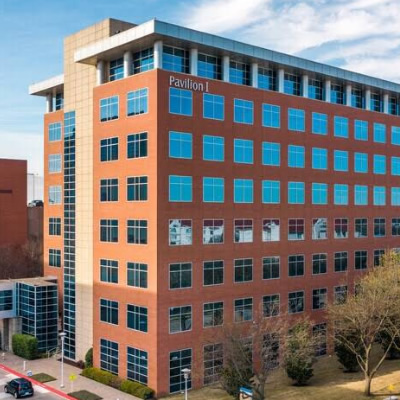
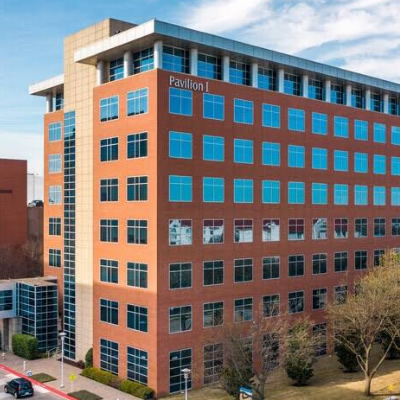
Baylor Scott & White - Plano Brain and Spine Center

4708 Alliance Blvd Pavilion I, Ste 810, Plano, TX, 75093

Not accepting walk-ins

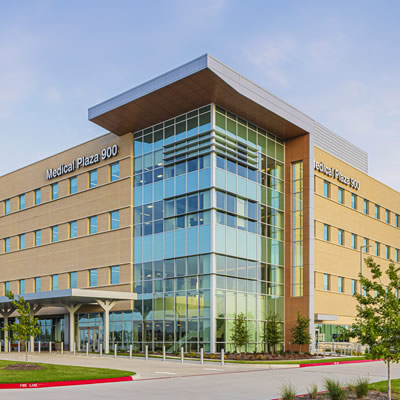
Baylor Scott & White - Texas Brain and Spine Institute

900 Scott and White Dr, College Station, TX, 77845

Not accepting walk-ins

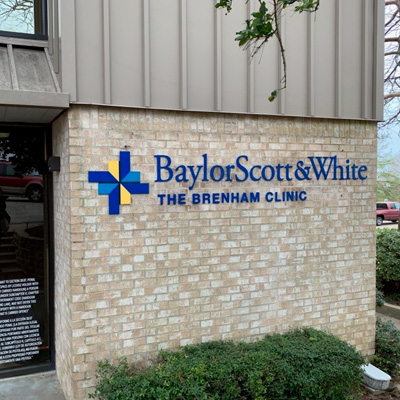
Baylor Scott & White - The Brenham Clinic

600 N Park St, Brenham, TX, 77833

Not accepting walk-ins

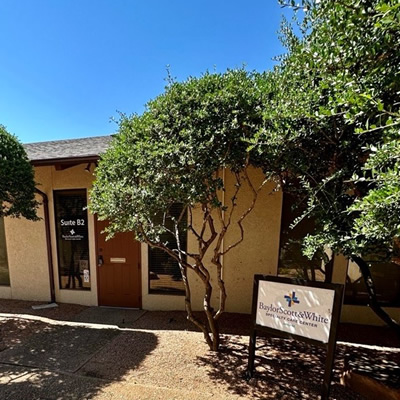
Baylor Scott & White Advanced Heart Failure Clinic - Abilene

1219 E South 11th St Ste B2, Abilene, TX, 79602

Not accepting walk-ins

Baylor Scott & White Advanced Heart Failure Clinic - Amarillo

1901 Medi Park Dr Ste 2051, Amarillo, TX, 79106

Not accepting walk-ins

Baylor Scott & White Advanced Heart Failure Clinic - Dallas

3410 Worth St Ste 250, Dallas, TX, 75246

Not accepting walk-ins

Not accepting walk-ins

Not accepting walk-ins

Not accepting walk-ins

Not accepting walk-ins

Not accepting walk-ins

Baylor Scott & White Advanced Heart Failure Specialists - Fort Worth II

1420 8th Ave Ste 103, Fort Worth, TX, 76104

Not accepting walk-ins

Not accepting walk-ins

Baylor Scott & White Cancer Center - Round Rock

300A University Blvd, Round Rock, TX, 78665

Not accepting walk-ins

Baylor Scott & White Cardiac and Thoracic Surgery - Fort Worth

1250 8th Ave Ste 200, Fort Worth, TX, 76104

Not accepting walk-ins

Not accepting walk-ins

Baylor Scott & White Cardiac and Thoracic Surgery - Odessa

420 E 6th St Ste 102, Odessa, TX, 79761

Not accepting walk-ins

Baylor Scott & White Cardiac and Thoracic Surgery - Weatherford

2035 Fort Worth Hwy Ste 100, Weatherford, TX, 76086

Not accepting walk-ins

Baylor Scott & White Cardiac Surgery - Dallas

621 N Hall St Ste 120, Dallas, TX, 75226

Not accepting walk-ins

Not accepting walk-ins

Baylor Scott & White Cardiac Surgery Specialists - McKinney

5236 W University Dr Ste 4900, McKinney, TX, 75071

Not accepting walk-ins

Baylor Scott & White Cardiac Surgery Specialists - Plano

4708 Alliance Blvd Pavilion I, Ste 540, Plano, TX, 75093

Not accepting walk-ins

Not accepting walk-ins

Baylor Scott & White Cardiology Consultants of Texas - Greenville

4400 Interstate 30 W Ste 300, Greenville, TX, 75402

Not accepting walk-ins

Not accepting walk-ins

Not accepting walk-ins

Baylor Scott & White Cardiology Consultants of Texas - Park Cities

9101 N Central Expy Ste 250, Dallas, TX, 75231

Not accepting walk-ins

Baylor Scott & White Cardiology Consultants of Texas - Red Oak

301 E Ovilla Rd Ste 100, Red Oak, TX, 75154

Not accepting walk-ins

Baylor Scott & White Cardiology Consultants of Texas - Waxahachie

2360 N Interstate 35E Ste 110, Waxahachie, TX, 75165

Not accepting walk-ins

Baylor Scott & White Cardiothoracic Surgery - Irving

1110 Cottonwood Ln Ste 215, Irving, TX, 75038

Not accepting walk-ins

Baylor Scott & White Cardiovascular Associates - Fort Worth

1307 8th Ave Ste 406, Fort Worth, TX, 76104

Not accepting walk-ins

Baylor Scott & White Cardiovascular Associates - Southwest Fort Worth

5701 Bryant Irvin Rd Ste 301, Fort Worth, TX, 76132

Not accepting walk-ins

Not accepting walk-ins

Not accepting walk-ins

Baylor Scott & White Cardiovascular Consultants - Grapevine

2020 W State Hwy 114 Ste 200, Grapevine, TX, 76051

Not accepting walk-ins

Baylor Scott & White Cardiovascular Consultants - Highland Village

1401 Shoal Creek Ste 240, Highland Village, TX, 75077

Not accepting walk-ins

Baylor Scott & White Cardiovascular Consultants - Keller

620 S Main St Ste 240, Keller, TX, 76248

Not accepting walk-ins

Baylor Scott & White Cardiovascular Consultants - Plano

6000 W Spring Creek Pkwy Ste 220, Plano, TX, 75024

Not accepting walk-ins

Baylor Scott & White Cardiovascular Consultants - Plano II

4708 Alliance Blvd Pavilion I, Ste 450 , Plano, TX, 75093

Not accepting walk-ins

Baylor Scott & White Cardiovascular Consultants at The Star

3800 Gaylord Pkwy Ste 910, Frisco, TX, 75034

Not accepting walk-ins

Baylor Scott & White Cardiovascular Specialists - Mesquite

5308 N Galloway Ave Ste 201, Mesquite, TX, 75150

Not accepting walk-ins

Baylor Scott & White Cardiovascular Specialists - Rockwall

6705 Heritage Pkwy Ste 202, Rockwall, TX, 75087

Not accepting walk-ins

Baylor Scott & White Center for Thoracic Surgery - Dallas

3410 Worth St Ste 760, Dallas, TX, 75246

Not accepting walk-ins

Baylor Scott & White Center for Thoracic Surgery - Rockwall

6701 Heritage Pkwy Ste 130, Rockwall, TX, 75087

Not accepting walk-ins

Baylor Scott & White Center for Thoracic Surgery - Waxahachie

2480 N Interstate 35E, Waxahachie, TX, 75165

Not accepting walk-ins

Baylor Scott & White Clinic - Austin Downtown

200 E Cesar Chavez St Ste G140, Austin, TX, 78701

Not accepting walk-ins

Baylor Scott & White Clinic - Austin North Burnet

2608 Brockton Dr, Austin, TX, 78758

Not accepting walk-ins

Baylor Scott & White Clinic - Austin Oak Hill

5251 US 290, Austin, TX, 78735

Not accepting walk-ins

Baylor Scott & White Clinic - Austin River Place

10815 Ranch Rd 2222, Austin, TX, 78730

Not accepting walk-ins

Frequently asked questions

Loading...