What is Bell’s palsy? 

Bell’s palsy, the most common cause of facial paralysis, is a nerve disorder that causes weakness or paralysis of the muscles on one side of the face.  

It can develop suddenly, often over a day or two, but it is usually a temporary condition. Your pediatrician can help you support your child and will provide medication and other suggestions for treatment as needed. 

father piggyback ride with his son

Symptoms of Bell’s palsy 

Bell’s palsy typically affects one side of the face, causing it to droop, though in rare cases, both sides may be weakened. Symptoms usually develop quickly and can range from mild to severe. Your child might experience jaw or ear pain or feel sensitive to loud sounds shortly before the onset of other symptoms. Children also might complain that one side of their face feels numb because it is difficult to move their muscles.

Other symptoms of Bell’s palsy include:

  • Changes in taste
  • Difficulty eating and drinking
  • Difficulty smiling or raising one eyebrow
  • Drooling from the affected side of the mouth
  • Drooping eyebrow and mouth
  • Dry or watery eye
  • Finding it difficult to close one eyelid
  • Headache
  • Sensitivity to sound
  • Slurred speech
  • Weak or twitching facial muscles 

Bell’s palsy causes 

Everyone has two facial nerves, called cranial nerves, with each controlling one side of the face and transmitting messages between the brain and facial muscles. Bell’s palsy happens when one of the nerves that control the facial muscles becomes injured, inflamed or stops working properly, causing paralysis or weakness on the affected side. These nerves also affect your ears and sense of taste, sometimes leading to ear pain and sensitivity to sound. 

Doctors cannot always tell the exact cause of Bell’s palsy. It may develop after a viral infection, when your immune system causes swelling and inflammation of the facial nerve. Other possible triggers that can cause Bell's palsy include a dormant infection, such as herpes or varicella (chickenpox), or low immunity due to another illness or an autoimmune disorder.

Bell’s palsy risk factors

Anyone can develop Bell’s palsy, but among children, it mainly affects adolescents. Certain factors, such as illness or a weakened immune system, may increase your child or teenager’s risk. Lifestyle factors, such as stress and lack of sleep, may also play a role.

Risk factors for Bell’s palsy include:

  • Autoimmune conditions: Conditions such as multiple sclerosis, which affect the immune system, can increase the risk of Bell’s palsy.
  • Diabetes: Around half of people living with diabetes have some form of nerve damage, which can lead to Bell’s palsy.
  • Infection: Conditions such as Lyme disease may cause inflammation of a facial nerve.
  • Physical trauma: Any kind of trauma can impact your immune system.
  • Obesity: A high body mass index (BMI) raises the risk for many health conditions, including Bell’s palsy.
  • Respiratory infection: Many children have colds or other illnesses before the start of Bell’s palsy symptoms.
  • Sarcoidosis: This inflammation of the lymph nodes, lungs and other organs can also affect your facial nerves.
  • Sleep deprivation and stress: These can weaken your child’s immune system, increasing the chance of infection and inflammation. 

Complications

Although Bell’s palsy usually resolves on its own, it can sometimes lead to other health problems. It can also take a toll on your child’s emotional well-being. Your doctor can help with suggestions to keep your child healthy. 
 
Possible complications of Bell's palsy include:

  • Eye problems: Your child may experience eye damage due to the lids not closing fully.
  • Emotional distress: Facial paralysis can be upsetting for children and teenagers, leading to feelings of isolation or depression.
  • Muscle swelling: Muscles may swell due to the loss of nerve function.
  • Unwanted movements (synkinesis): Some children may develop unwanted movements, often in the eye, cheek, chin or neck, when they try to move other facial muscles.
Grandparents playing with their granddaughter.

Diagnosing Bell’s palsy 

A pediatrician will often be able to diagnose Bell’s palsy simply by looking at your child’s face. They will also conduct a thorough physical examination and take a detailed medical history to confirm the diagnosis.

Your doctor may order various tests and imaging scans. These will not diagnose Bell’s palsy, but can rule out conditions that cause similar symptoms. 

Medical history and exam

Your pediatrician will ask you and your child to describe the onset of symptoms. They will also ask about any health conditions, medications and recent infections.

During a physical examination, your doctor will look at your child’s facial muscles to see which areas are affected and if there are any signs of nerve damage. They will also check your child’s ear canal, eardrum, mouth and throat, and look at the nerve function in the arms and legs. Your doctor may ask your child to try different facial expressions, such as blinking or closing their eyes.

Bell’s palsy treatment

Bell’s palsy often goes away on its own without treatment. However, your child’s doctor can prescribe medication to treat the symptoms of Bell’s palsy and aid with recovery. They may also recommend physical therapy as a treatment option.

Lifestyle changes

Self-care for Bell’s palsy includes getting plenty of sleep, eating a healthy diet, staying hydrated and minimizing stress. You can help your child by preparing foods that are easy to eat and making sure they brush their teeth thoroughly. 

Facial paralysis can be distressing for your child, and emotional support is key. If your child is feeling isolated or bullied at school, their doctor can suggest resources to help. Remind your child that it is most likely only temporary and does not change who they are. 

It is also very important to protect your child’s eyes if an eyelid does not close properly. Wearing protective glasses outside and an eye mask at night can help. Try to avoid irritants, such as dust or smoke, and tell your child not to poke or rub the weak side of their face. 

Locations for care of Bell’s palsy

When your child needs expert care for a diagnosis of Bell’s palsy, trust the specialists at Baylor Scott & White. With convenient locations for care in North and Central Texas, our specialists help ensure your child gets the treatment they need, right when they need it.

Baylor Scott & White - The Brenham Clinic

600 N Park St, Brenham, TX, 77833

Not accepting walk-ins

Baylor Scott & White Clinic - Austin Northwest

9800 N Lake Creek Pkwy Ste 200, Austin, TX, 78717

Not accepting walk-ins

Baylor Scott & White Clinic - Bee Cave

16018 W SH 71, Bee Cave, TX, 78738

Not accepting walk-ins

Baylor Scott & White Clinic - Brenham Hwy 290

604 US 290, Brenham, TX, 77833

Not accepting walk-ins

Baylor Scott & White Clinic - Buda Medical Center

5330 Overpass Rd Ste 100, Buda, TX, 78610

Not accepting walk-ins

Baylor Scott & White Clinic - Cedar Park

910 E Whitestone Blvd, Cedar Park, TX, 78613

Not accepting walk-ins

Baylor Scott & White Clinic - College Station Arrington Road

1296 Arrington Rd Ste 100, College Station, TX, 77845

Not accepting walk-ins

Baylor Scott & White Clinic - College Station Rock Prairie

800 Scott and White Dr, College Station, TX, 77845

Not accepting walk-ins

Baylor Scott & White Clinic - College Station University Drive

1700 University Dr E, College Station, TX, 77840

Not accepting walk-ins

Baylor Scott & White Clinic - College Station Wellborn

15195 Wellborn Rd, College Station, TX, 77845

Not accepting walk-ins

Baylor Scott & White Clinic - Georgetown West

7451 W State Hwy 29, Georgetown, TX, 78628

Not accepting walk-ins

Baylor Scott & White Clinic - Hutto

120 Ed Schmidt Blvd Suites B, E & F, Hutto, TX, 78634

Not accepting walk-ins

Baylor Scott & White Clinic - Killeen

3801 Scott and White Dr, Killeen, TX, 76543

Accepting walk-ins

Baylor Scott & White Clinic - Lakeway

3108 Ranch Rd 620 S, Lakeway, TX, 78738

Not accepting walk-ins

Baylor Scott & White Clinic - Marble Falls

706 Ave G, Marble Falls, TX, 78654

Not accepting walk-ins

Baylor Scott & White Clinic - Round Rock 425 University

425 University Blvd, Round Rock, TX, 78665

Not accepting walk-ins

Baylor Scott & White Clinic - Waco

7700 Fish Pond Rd, Waco, TX, 76710

Accepting walk-ins

Baylor Scott & White Colleyville Family Medicine and Pediatrics

5232 Colleyville Blvd Ste 100, Colleyville, TX, 76034

Accepting walk-ins

Baylor Scott & White Community Care - St. Philip's

1632 Martin Luther King Jr Blvd Ste 300, Dallas, TX, 75215

Not accepting walk-ins

Not accepting walk-ins

Baylor Scott & White Family Health Center - Mesquite

1575 Interstate 30, Mesquite, TX, 75150

Not accepting walk-ins

Baylor Scott & White Family Medical Center - Midlothian

1441 S Midlothian Pkwy Ste 100, Midlothian, TX, 76065

Not accepting walk-ins

Baylor Scott & White Family Medical Center - Waxahachie

2460 N Interstate 35E Ste 100, Waxahachie, TX, 75165

Not accepting walk-ins

Baylor Scott & White Family Medicine - Wylie

600 Cooper Dr Ste 100, Wylie, TX, 75098

Not accepting walk-ins

Baylor Scott & White Family Medicine Residency - Waxahachie

2460 N Interstate 35E Ste 215, Waxahachie, TX, 75165

Not accepting walk-ins

Baylor Scott & White Hillcrest Pediatric Clinic

120 Hillcrest Medical Blvd Bldg II, Ste 100, Waco, TX, 76712

Not accepting walk-ins

Not accepting walk-ins

Not accepting walk-ins

Not accepting walk-ins

Not accepting walk-ins

Not accepting walk-ins

Baylor Scott & White McLane Children's Clinic - Waco Hillcrest

120 Hillcrest Medical Blvd Bldg II, Ste 200, Waco, TX, 76712

Accepting walk-ins

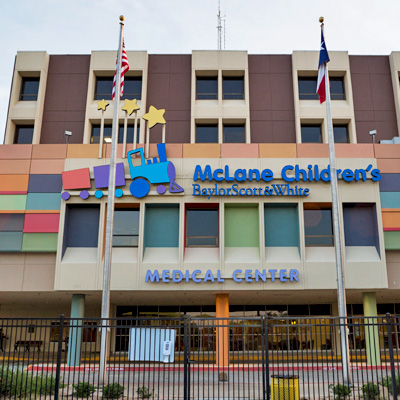
Baylor Scott & White McLane Children's Medical Center - Temple

1901 SW H K Dodgen Loop, Temple, TX, 76502

Accepting walk-ins

Not accepting walk-ins

Baylor Scott & White Medical & Surgical Clinic - Irving (Pediatrics)

6750 N MacArthur Blvd Ste 208, Irving, TX, 75039

Not accepting walk-ins

Baylor Scott & White Medical & Surgical Clinic - Las Colinas

6750 N MacArthur Blvd Ste 206, Irving, TX, 75039

Not accepting walk-ins

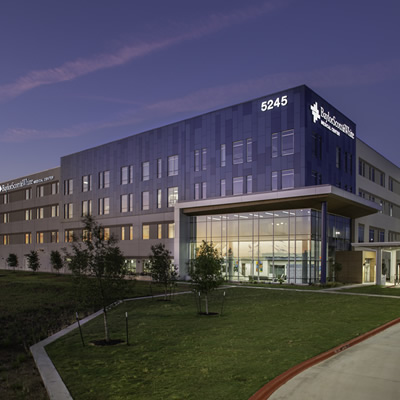
Baylor Scott & White Medical Center - Austin

5245 W US Hwy 290 Service Rd, Austin, TX, 78735

Accepting walk-ins

Baylor Scott & White Medical Center - Brenham

700 Medical Pkwy, Brenham, TX, 77833

Accepting walk-ins

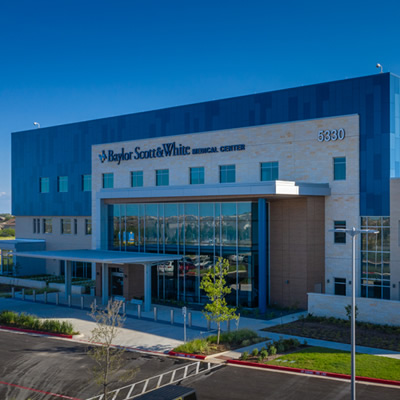
Baylor Scott & White Medical Center - Buda

5330 Overpass Rd, Buda, TX, 78610

Accepting walk-ins

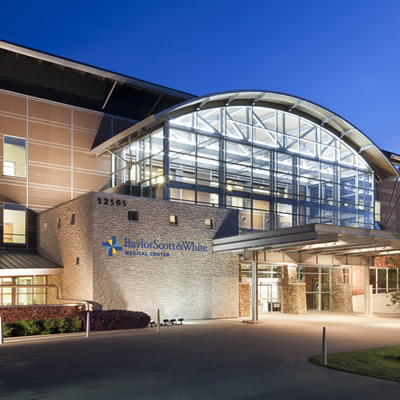
Baylor Scott & White Medical Center - Centennial

12505 Lebanon Rd, Frisco, TX, 75035

Accepting walk-ins

Baylor Scott & White Medical Center - College Station

700 Scott and White Dr, College Station, TX, 77845

Accepting walk-ins

Baylor Scott & White Medical Center - Frisco

5601 Warren Pkwy, Frisco, TX, 75034

Accepting walk-ins

Baylor Scott & White Medical Center - Grapevine

1650 W College St, Grapevine, TX, 76051

Accepting walk-ins

Baylor Scott & White Medical Center - Irving

1901 N MacArthur Blvd, Irving, TX, 75061

Accepting walk-ins

Baylor Scott & White Medical Center - Lakeway

100 Medical Pkwy, Lakeway, TX, 78738

Accepting walk-ins

Baylor Scott & White Medical Center - Marble Falls

810 W State Hwy 71, Marble Falls, TX, 78654

Accepting walk-ins

Baylor Scott & White Medical Center - McKinney

5252 W University Dr Highway 380 at Lake Forest Drive, McKinney, TX, 75071

Accepting walk-ins

Baylor Scott & White Medical Center - Waxahachie

2400 N Interstate 35E, Waxahachie, TX, 75165

Accepting walk-ins

Not accepting walk-ins

Baylor Scott & White Pediatrics - Las Colinas

400 W Lyndon B Johnson Fwy Plaza I, Ste 250, Irving, TX, 75063

Not accepting walk-ins

Baylor Scott & White Primary Care Associates Pediatrics - Greenville

4400 Interstate 30 W Ste 110, Greenville, TX, 75402

Not accepting walk-ins

Baylor Scott & White Specialty Clinic - Killeen Hemingway

2405 S Clear Creek Rd, Killeen, TX, 76549

Not accepting walk-ins

Baylor Scott & White Tots Pediatrics - Dallas

3600 Gaston Ave Barnett Tower, Ste 1109, Dallas, TX, 75246

Not accepting walk-ins

Frequently asked questions

Loading...