What is tuberous sclerosis?

Tuberous sclerosis complex (TSC) is a genetic disorder that causes noncancerous, or benign, tumors to grow on organs throughout the body, including the kidneys, heart, brain and skin. While some people with tuberous sclerosis experience only mild symptoms, others may develop serious or even life-threatening complications.

TSC is rare, affecting approximately one million people worldwide and about 50,000 people in the United States. Tuberous sclerosis complex prevalence is around one in every 6,000 US births.

Often diagnosed in infancy and early childhood, tuberous sclerosis currently has no cure, but treatment can help manage symptoms and prevent complications.

Types of tuberous sclerosis

Tuberous sclerosis can manifest in different ways. Researchers have divided the disorder into four subtypes based on the symptoms they cause:

  • Angiomyolipoma-predominant TSC: People with this type of tuberous sclerosis often have skin tumors and have a high risk of developing tumors in the kidneys and brain.
  • Milder phenotype of TSC: Those with this mild form of tuberous sclerosis experience symptoms with little to no impact on quality of life.
  • Neuropsychiatric TSC: People with this type frequently have neurodevelopmental disorders, including autism spectrum disorder, and may also experience focal seizures and tumors in the brain.
  • TSC with infantile spasms: Children in this category experienced infantile spasms, a type of severe seizure.
Mom playing with smiling baby

Tuberous sclerosis symptoms

Noncancerous tumors are the primary symptom of tuberous sclerosis. These tumors may develop on organs throughout the body, causing different symptoms depending on where they grow and how large they are.

Symptoms often first develop before a child is six months old. In infants, tuberous sclerosis symptoms may include infantile spasms and white skin patches.

Additional symptoms of tuberous sclerosis may include:

  • Ash-leaf spots, which are areas of the skin that are lighter than other skin
  • Autism spectrum disorder (ASD)
  • Cardiac rhabdomyoma, which is a noncancerous heart tumor
  • Developmental delays
  • Facial angiofibromas, which are red patches of facial skin
  • Growths on fingernails or toenails
  • Intellectual disability
  • Lung disease
  • Pitted tooth enamel
  • Raised patches of skin that feel like an orange peel
  • Seizures
  • Tumors on or around the tongue

Tuberous sclerosis causes

Tuberous sclerosis is caused by a pathogenic variant (sometimes called a gene mutation) in either the TSC1 or TSC2 gene. The TSC1 gene instructs the body to produce hamartin, while the TSC2 gene helps produce tuberin.

Those two proteins are tumor suppressors, so when a person has a pathogenic variant in either gene, tumors can grow and spread more easily.

Tuberous sclerosis risk factors

The only known risk factor for tuberous sclerosis is having a family history of the disorder. Approximately one-third of people with TSC inherit it from a parent, while the other two-thirds develop it due to a random genetic change during conception.

Tuberous sclerosis inheritance occurs in an “autosomal dominant pattern,” meaning if one parent has TSC, it can be passed down to a child.

Father giving son a piggy back ride while mother looks on smiling

Complications

Just as the symptoms of tuberous sclerosis can vary based on where tumors grow, so do the complications of the disorder. Potential complications of tuberous sclerosis include:

  • Arrhythmias: When tumors grow in the heart, they can sometimes cause abnormal heart rhythms.
  • Chylothorax: Tumors in the lungs can cause a milky fluid called chyle to build up between the membranes that line the lungs and chest, leading to breathing problems.
  • Epilepsy: Many people with TSC develop epilepsy, causing difficult-to-control seizures beginning early in life.
  • Hydrocephalus: Tumors in the brain can block the flow of cerebrospinal fluid, causing it to build up in the brain.
  • Kidney problems: Noncancerous growths called angiomyolipomas and renal cysts can develop in the kidneys, sometimes causing pain or kidney failure.
  • Kidney cancer: Having tuberous sclerosis increases the risk of kidney cancer (renal cell carcinoma), although only 3% of people with TSC develop it.
  • Lymphangioleiomyomatosis: Women with TSC may develop this rare lung condition, which causes shortness of breath and other breathing difficulties.
  • Outflow tract obstruction: Tumors on the heart can disrupt blood flow from the heart, slowing or obstructing it entirely.
  • Pneumothorax: Lung tumors can lead to a partial or total collapsed lung.
  • Status epilepticus: Having a seizure lasting for longer than five minutes or multiple seizures in a row without regaining consciousness is considered a medical emergency.

Diagnosing tuberous sclerosis

Your child’s doctor can review your child’s symptoms and determine whether they could be related to TSC or another condition. Doctors can use genetic testing to diagnose your child with tuberous sclerosis, or they may use criteria determined by the International Tuberous Sclerosis Complex Consensus Group.

Using those criteria, your doctor may diagnose your child if they show two major features of TSC, such as multiple retinal tumors, multiple large ash-leaf spots or a heart tumor, or a major feature with two minor features, such as multiple renal cysts or pits in dental enamel.

Tuberous sclerosis treatment

Because there’s currently no cure for TSC, treatment focuses on treating individual symptoms and complications. You and your child will work with a variety of specialists, including pediatric neurologists and neurosurgeons, behavioral health professionals, dermatologists and ophthalmologists, to help ensure your child receives the individualized care they need.
Dermatology procedures

Many TSC symptoms affect the skin. If skin spots or growths are causing embarrassment, a dermatologist can perform procedures to remove them or make them less obvious. Cryoablation, dermabrasion, laser skin resurfacing or excision can all be used for this purpose.

Locations for care of tuberous sclerosis

Children with TSC have many complex needs, and at Baylor Scott & White Health, you’ll find a compassionate, multidisciplinary team ready to offer expertise and support. Find a location near you in.

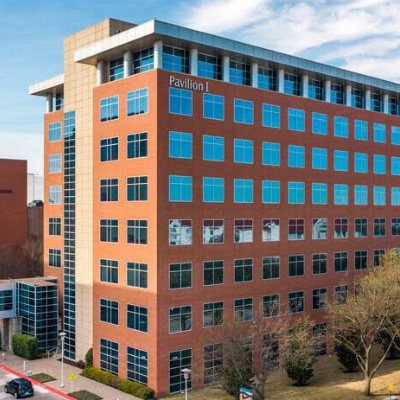
Baylor Scott & White - Plano Brain and Spine Center

4708 Alliance Blvd Pavilion I, Ste 810, Plano, TX, 75093

Not accepting walk-ins

Baylor Scott & White - Texas Brain and Spine Institute

900 Scott and White Dr, College Station, TX, 77845

Not accepting walk-ins

Baylor Scott & White Clinic - Austin Downtown

200 E Cesar Chavez St Ste G140, Austin, TX, 78701

Not accepting walk-ins

Baylor Scott & White Clinic - Cedar Park

910 E Whitestone Blvd, Cedar Park, TX, 78613

Not accepting walk-ins

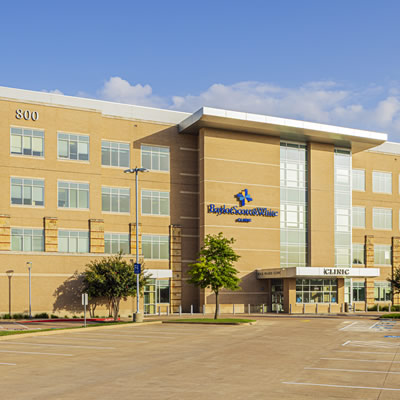
Baylor Scott & White Clinic - College Station Rock Prairie

800 Scott and White Dr, College Station, TX, 77845

Not accepting walk-ins

Baylor Scott & White Clinic - Dripping Springs

170 Benney Ln Ste 204, Dripping Springs, TX, 78620

Not accepting walk-ins

Baylor Scott & White Clinic - Round Rock 300 University

300A University Blvd, Round Rock, TX, 78665

Not accepting walk-ins

Baylor Scott & White Clinic - Temple Neurosurgery

2401 S 31st St, Temple, TX, 76508

Not accepting walk-ins

Not accepting walk-ins

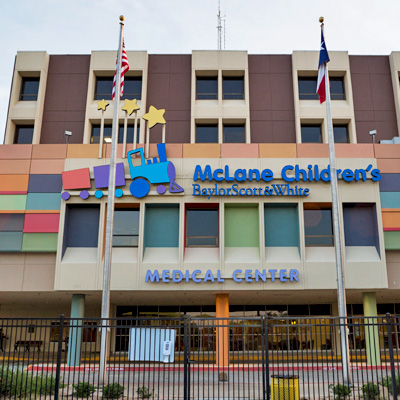
Baylor Scott & White McLane Children's Medical Center - Temple

1901 SW H K Dodgen Loop, Temple, TX, 76502

Accepting walk-ins

Not accepting walk-ins

Baylor Scott & White Medical Center - Centennial

12505 Lebanon Rd, Frisco, TX, 75035

Accepting walk-ins

Baylor Scott & White Medical Center - College Station

700 Scott and White Dr, College Station, TX, 77845

Accepting walk-ins

Baylor Scott & White Medical Center - Frisco

5601 Warren Pkwy, Frisco, TX, 75034

Accepting walk-ins

Baylor Scott & White Medical Center - Grapevine

1650 W College St, Grapevine, TX, 76051

Accepting walk-ins

Baylor Scott & White Medical Center - Hillcrest

100 Hillcrest Medical Blvd, Waco, TX, 76712

Accepting walk-ins

Baylor Scott & White Medical Center - Irving

1901 N MacArthur Blvd, Irving, TX, 75061

Accepting walk-ins

Baylor Scott & White Medical Center - Lake Pointe

6800 Scenic Dr, Rowlett, TX, 75088

Accepting walk-ins

Baylor Scott & White Medical Center - Lakeway

100 Medical Pkwy, Lakeway, TX, 78738

Accepting walk-ins

Baylor Scott & White Medical Center - Marble Falls

810 W State Hwy 71, Marble Falls, TX, 78654

Accepting walk-ins

Baylor Scott & White Medical Center - McKinney

5252 W University Dr Highway 380 at Lake Forest Drive, McKinney, TX, 75071

Accepting walk-ins

Baylor Scott & White Medical Center - Round Rock

300 University Blvd, Round Rock, TX, 78665

Accepting walk-ins

Baylor Scott & White Medical Center - Sunnyvale

231 S Collins Rd, Sunnyvale, TX, 75182

Accepting walk-ins

Baylor Scott & White Medical Center - Temple

2401 S 31st St, Temple, TX, 76508

Accepting walk-ins

Baylor Scott & White Medical Center - Waxahachie

2400 N Interstate 35E, Waxahachie, TX, 75165

Accepting walk-ins

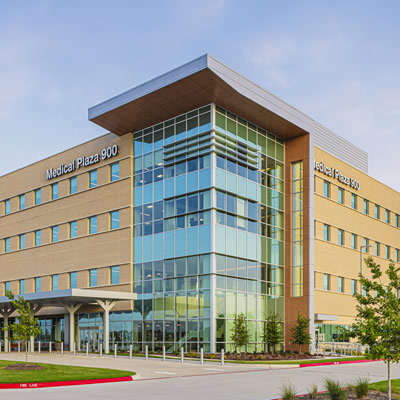
Baylor Scott & White Medical Plaza 900 - College Station

900 Scott and White Dr, College Station, TX, 77845

Not accepting walk-ins

Baylor Scott & White Neuroscience Center

9101 N Central Expy Ste 400, Dallas, TX, 75231

Not accepting walk-ins

Baylor Scott & White Neurosciences Clinic - Waco

50 Hillcrest Medical Blvd Ste 201-A, Waco, TX, 76712

Not accepting walk-ins

Not accepting walk-ins

Not accepting walk-ins

Baylor Scott & White Neurosurgery and Spine Associates - Fort Worth

1400 8th Ave Ste A1131, Fort Worth, TX, 76104

Not accepting walk-ins

Baylor Scott & White Neurosurgery and Spine Associates - Frisco

3800 Gaylord Pkwy Ste 820, Frisco, TX, 75034

Not accepting walk-ins

Baylor Scott & White Neurosurgery and Spine Associates - Grapevine

1600 W College St Ste 140, Grapevine, TX, 76051

Not accepting walk-ins

Baylor Scott & White Neurosurgery and Spine Associates - McKinney

5236 W University Dr Ste 2000, McKinney, TX, 75071

Not accepting walk-ins

Baylor Scott & White Neurosurgery and Spine Associates - Plano

4708 Alliance Blvd Pavilion I, Ste 785, Plano, TX, 75093

Not accepting walk-ins

Baylor Scott & White Neurosurgery and Spine Associates - Waxahachie

2460 N Interstate 35 E Rd Ste 100, Waxahachie, TX, 75165

Not accepting walk-ins

Baylor Scott & White Specialty Clinic - Horseshoe Bay

201 Bay West Blvd, Horseshoe Bay, TX, 78657

Not accepting walk-ins

Baylor Scott & White Specialty Clinic - Killeen Hemingway

2405 S Clear Creek Rd, Killeen, TX, 76549

Not accepting walk-ins

Baylor Scott & White Specialty Clinic - Lakeway

200 Medical Pkwy, Lakeway, TX, 78738

Not accepting walk-ins

Baylor Scott & White Specialty Clinic - Marble Falls

800 W State Hwy 71, Marble Falls, TX, 78654

Accepting walk-ins

NeuroTexas (Austin - Eiger Road)

5625 Eiger Rd Ste 150, Austin, TX, 78735

Not accepting walk-ins

NeuroTexas (Cedar Park)

910 E Whitestone Blvd, Cedar Park, TX, 78613

Not accepting walk-ins

NeuroTexas (Dripping Springs)

170 Benney Ln Ste 204, Dripping Springs, TX, 78620

Not accepting walk-ins

NeuroTexas (La Grange)

1840 E State Hwy 71, La Grange, TX, 78945

Not accepting walk-ins

NeuroTexas (Lakeway)

200 Medical Pkwy Ste 220, Lakeway, TX, 78738

Not accepting walk-ins

NeuroTexas (Marble Falls)

800 W State Highway 71 Floor 2, Marble Falls, TX, 78654

Not accepting walk-ins

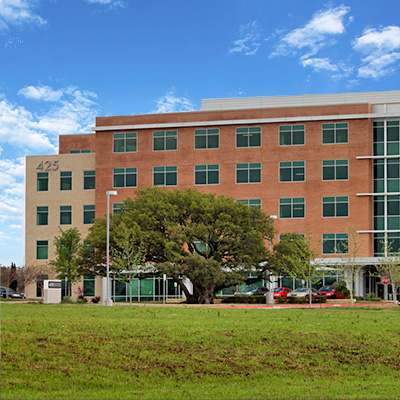
NeuroTexas (Round Rock)

425 University Blvd 4th floor, Round Rock, TX, 78665

Not accepting walk-ins

NeuroTexas (San Marcos)

1310 Wonder World Dr Ste 115, San Marcos, TX, 78666

Not accepting walk-ins

Frequently asked questions

Loading...