What is Guillain-Barré syndrome?

Guillain-Barré syndrome (pronounced gee-yan buh-ray) is a neurological disorder that causes the immune system to attack the peripheral nervous system. The peripheral nerves connect the brain and spinal cord with the rest of the body.

As the immune system attacks these nerves, it can cause muscle weakness and paralysis. The symptoms of Guillain-Barré syndrome usually develop quickly, appearing and then intensifying within hours or days.

Guillain-Barré syndrome is rare, affecting approximately 3,000 people each year in the United States. While much more common among adults, Guillain-Barré syndrome can sometimes develop in children, most often between the ages of four and eight. Treatment can help ease symptoms and speed recovery.

A child with Guillain-Barre syndrome laughs with their healthcare provider

Guillain-Barré syndrome symptoms

Guillain-Barré syndrome can cause a variety of symptoms that differ depending on the type your child has. AIDP, for example, causes muscle weakness that begins in the lower body, while MFS affects the cranial nerves, often causing weakness in the eye muscles.

Still, Guillain-Barré syndrome in childhood often begins with sudden weakness and tingling sensations in the legs. Other symptoms may include:

  • Abnormal heart rate or blood pressure
  • Difficulty breathing
  • Difficulty swallowing, chewing or speaking
  • Digestive problems
  • Incontinence
  • Nerve pain
  • Paralysis
  • Prickly sensations in the hands and feet
  • Problems with vision or eye muscles
  • Unsteadiness and a lack of coordination

Causes of Guillain-Barré syndrome

Researchers aren’t certain what causes Guillain-Barré syndrome. It occurs when the immune system starts attacking nerves, but why that happens is unclear.
Most people develop Guillain-Barré syndrome within days or weeks after having a virus or bacterial infection. It’s thought that these infections can sometimes cause the immune system to accidentally attack the body.

Rarely, having surgery or receiving a vaccine can lead to the immune system disruption that appears to cause Guillain-Barré syndrome. While there’s some association between Guillain-Barré syndrome and vaccines, you’re much more likely to develop the condition after having a virus, such as COVID-19, than after getting a vaccine to prevent the virus.

A child gets checked by their doctor after having a virus

Guillain-Barré syndrome risk factors

Guillain-Barré syndrome is hard to prevent, with the condition’s risk factors usually beyond your control. These risk factors include:

  • Being age 50 or older: Guillain-Barré syndrome is most common among older adults.
  • Being infected with Campylobacter jejuni: A frequent cause of gastroenteritis, this bacteria found in undercooked poultry is often associated with Guillain-Barré syndrome.
  • Having a virus: Some people who develop Guillain-Barré syndrome first had a virus, such as the flu, COVID-19, cytomegalovirus or hepatitis.
  • Having diarrhea or a respiratory infection: About 60% of people who develop Guillain-Barré syndrome had diarrhea or a respiratory infection in the days and weeks beforehand.

Complications

The vast majority of people who have Guillain-Barré syndrome experience a full recovery, with only a small percentage (2%) passing away. The life expectancy of people who have had Guillain-Barré syndrome is similar to that of people who have never had the disorder.

Still, the disorder can sometimes cause complications, which can be often treated successfully. Complications of Guillain-Barré syndrome can include:

  • Blood clots: Decreased mobility during Guillain-Barré syndrome recovery increases the risk of blood clots in the legs, which can move to the lungs.
  • Dysautonomia: Guillain-Barré syndrome sometimes affects the autonomic nerves, which can cause a wide range of health issues, such as unstable blood pressure, heart rhythm abnormalities and problems with digestion.
  • Residual numbness or muted sensations: Most people regain their sensations, but in rare cases, it’s possible to experience numbness and tingling after recovery.
  • Weakness or paralysis of the chest muscles: In one-third of people with Guillain-Barré syndrome, the chest muscles are affected, which can cause breathing difficulties and coughing.
A physical therapist works with a patient with decreased mobility from Guillain-Barre syndrome

Guillain-Barré syndrome diagnosis

Diagnosing Guillain-Barré syndrome can be challenging as the symptoms are similar to those of many other medical conditions, including stroke. To diagnose the condition, a doctor will review your child’s symptoms and run tests to rule out other potential causes or conditions.

Medical history and exam

During a medical visit, you’ll be asked questions about your child’s symptoms, their medical history and your family's medical history, as well as any recent illnesses your child has had.

The doctor will perform a thorough physical exam, paying close attention to areas of the body affected by symptoms. This exam will also include an assessment of how well your child’s nerves and muscles are working.

Guillain-Barré syndrome treatment

There’s no cure for Guillain-Barré syndrome, so treatment focuses on suppressing the immune system, alleviating symptoms and speeding recovery. During the active phase of the disorder, most people are hospitalized and may be closely monitored for complications in an intensive care setting.

Immunotherapy

Two therapies are commonly used in the acute stage of Guillain-Barré syndrome: immunoglobulin therapy and plasma exchange. Both treatments work best when started within two weeks of symptom onset.

  • Immunoglobulin therapy: Immunoglobulins are usually produced by the immune system to attack infections. When donor immunoglobulins are injected into the body, they can slow the immune system’s attack on the nerves and shorten recovery time.
  • Plasma exchange: During plasma exchange for Guillain-Barré syndrome, plasma from your child’s blood is separated, treated to remove antibodies that are attacking the nerves and then returned to the body.

Locations for care of Guillain-Barré syndrome

Guillain-Barré syndrome can be scary for parents and kids alike. Find the expert care and support your child needs from the specialists at Baylor Scott & White McLane Children's locations in Central Texas.

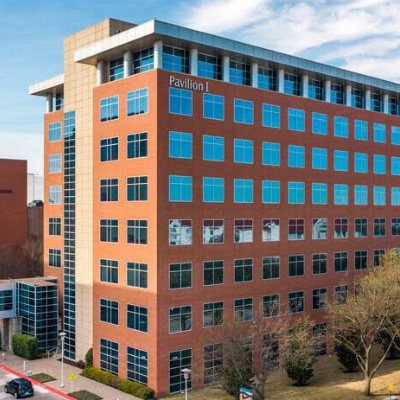
Baylor Scott & White - Plano Brain and Spine Center

4708 Alliance Blvd Pavilion I, Ste 810, Plano, TX, 75093

Not accepting walk-ins

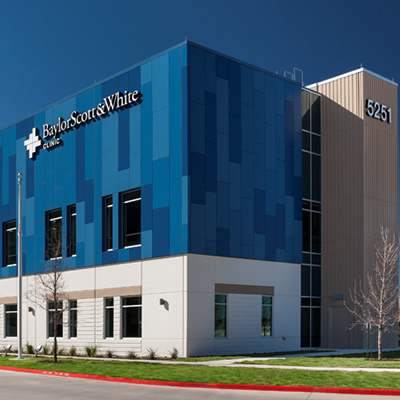
Baylor Scott & White Clinic - Austin Oak Hill

5251 US 290, Austin, TX, 78735

Not accepting walk-ins

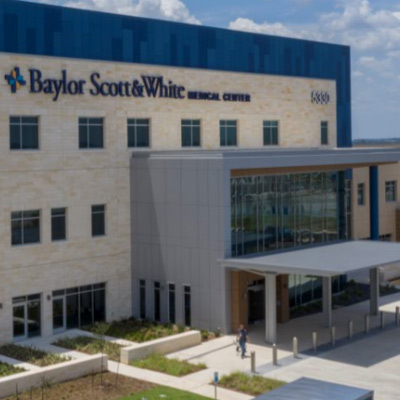
Baylor Scott & White Clinic - Buda Medical Center

5330 Overpass Rd Ste 100, Buda, TX, 78610

Not accepting walk-ins

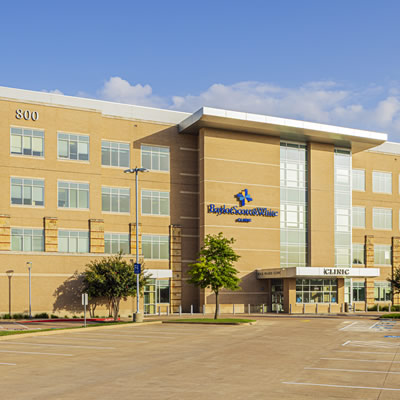
Baylor Scott & White Clinic - College Station Rock Prairie

800 Scott and White Dr, College Station, TX, 77845

Not accepting walk-ins

Baylor Scott & White Clinic - Pflugerville Medical Center (Building 1)

2600 E Pflugerville Pkwy Bldg 1, Ste 200, Pflugerville, TX, 78660

Not accepting walk-ins

Baylor Scott & White Clinic - Pflugerville Medical Center Building 2

2600 E Pflugerville Pkwy Building 2, Pflugerville, TX, 78660

Not accepting walk-ins

Baylor Scott & White Clinic - Round Rock 300 University

300A University Blvd, Round Rock, TX, 78665

Not accepting walk-ins

Baylor Scott & White Clinic - Temple Neurology

2401 S 31st St Desk 5A, Temple, TX, 76508

Not accepting walk-ins

Baylor Scott & White Cognitive and Behavioral Neurology Associates

9101 N Central Expy Ste 230, Dallas, TX, 75231

Not accepting walk-ins

Baylor Scott & White Dallas Diagnostic Association - Garland

7217 Telecom Pkwy Ste 300, Garland, TX, 75044

Not accepting walk-ins

Baylor Scott & White Dallas Diagnostic Association - Garland (Satellite)

5220 W University Dr POB II, Ste 250, McKinney, TX, 75071

Not accepting walk-ins

Baylor Scott & White Dallas Diagnostic Association - Plano

4716 Alliance Blvd Pavilion II, Plano, TX, 75093

Not accepting walk-ins

Not accepting walk-ins

Baylor Scott & White McLane Children's at Baylor Scott & White Clinic - College Station University Drive

1700 University Dr E East Entrance 15, First Floor, Desk P, College Station, TX, 77840

Not accepting walk-ins

Baylor Scott & White McLane Children's Medical Center - Temple

1901 SW H K Dodgen Loop, Temple, TX, 76502

Accepting walk-ins

Not accepting walk-ins

Baylor Scott & White McLane Children's Specialty Clinic - Waco Hillcrest

120 Hillcrest Medical Blvd Bldg II, Ste 101, Waco, TX, 76712

Not accepting walk-ins

Baylor Scott & White Medical Center - Brenham

700 Medical Pkwy, Brenham, TX, 77833

Accepting walk-ins

Baylor Scott & White Medical Center - Centennial

12505 Lebanon Rd, Frisco, TX, 75035

Accepting walk-ins

Baylor Scott & White Medical Center - College Station

700 Scott and White Dr, College Station, TX, 77845

Accepting walk-ins

Baylor Scott & White Medical Center - Grapevine

1650 W College St, Grapevine, TX, 76051

Accepting walk-ins

Baylor Scott & White Medical Center - Hillcrest

100 Hillcrest Medical Blvd, Waco, TX, 76712

Accepting walk-ins

Baylor Scott & White Medical Center - Irving

1901 N MacArthur Blvd, Irving, TX, 75061

Accepting walk-ins

Baylor Scott & White Medical Center - Lake Pointe

6800 Scenic Dr, Rowlett, TX, 75088

Accepting walk-ins

Baylor Scott & White Medical Center - Lakeway

100 Medical Pkwy, Lakeway, TX, 78738

Accepting walk-ins

Baylor Scott & White Medical Center - Marble Falls

810 W State Hwy 71, Marble Falls, TX, 78654

Accepting walk-ins

Baylor Scott & White Medical Center - McKinney

5252 W University Dr Highway 380 at Lake Forest Drive, McKinney, TX, 75071

Accepting walk-ins

Baylor Scott & White Medical Center - Plano

4700 Alliance Blvd, Plano, TX, 75093

Accepting walk-ins

Baylor Scott & White Medical Center - Round Rock

300 University Blvd, Round Rock, TX, 78665

Accepting walk-ins

Baylor Scott & White Medical Center - Sunnyvale

231 S Collins Rd, Sunnyvale, TX, 75182

Accepting walk-ins

Baylor Scott & White Medical Center - Taylor

305 Mallard Ln, Taylor, TX, 76574

Accepting walk-ins

Baylor Scott & White Medical Center - Temple

2401 S 31st St, Temple, TX, 76508

Accepting walk-ins

Baylor Scott & White Medical Center - Waxahachie

2400 N Interstate 35E, Waxahachie, TX, 75165

Accepting walk-ins

Baylor Scott & White Neurology - Dallas

3434 Swiss Ave Ste 400, Dallas, TX, 75204

Not accepting walk-ins

Baylor Scott & White Neurology - Irving

2001 N MacArthur Blvd Ste 420, Irving, TX, 75061

Not accepting walk-ins

Baylor Scott & White Neurology - Lake Pointe

7600 Lakeview Pkwy Ste 150, Rowlett, TX, 75088

Not accepting walk-ins

Baylor Scott & White Neurology - McKinney

5236 W University Dr Ste 3700, McKinney, TX, 75071

Not accepting walk-ins

Baylor Scott & White Neurology - Plano

4708 Alliance Blvd Pavilion I, Ste 550, Plano, TX, 75093

Not accepting walk-ins

Baylor Scott & White Neurology Hospitalist Group - Plano

4700 Alliance Blvd, Plano, TX, 75093

Not accepting walk-ins

Baylor Scott & White Neuroscience Center

9101 N Central Expy Ste 400, Dallas, TX, 75231

Not accepting walk-ins

Baylor Scott & White Neurosciences Clinic - Waco

50 Hillcrest Medical Blvd Ste 201-A, Waco, TX, 76712

Not accepting walk-ins

Baylor Scott & White Specialty Clinic - Horseshoe Bay

201 Bay West Blvd, Horseshoe Bay, TX, 78657

Not accepting walk-ins

Baylor Scott & White Specialty Clinic - Killeen Hemingway

2405 S Clear Creek Rd, Killeen, TX, 76549

Not accepting walk-ins

Baylor Scott & White Specialty Clinic - Lakeway

200 Medical Pkwy, Lakeway, TX, 78738

Not accepting walk-ins

Baylor Scott & White Specialty Clinic - Marble Falls

800 W State Hwy 71, Marble Falls, TX, 78654

Accepting walk-ins

The Headache Center at Baylor University Medical Center

9101 N Central Expy Ste 400, Dallas, TX, 75231

Not accepting walk-ins

Frequently asked questions

Loading...