What is chemotherapy?

Chemotherapy is a cancer treatment that uses medications to kill cancer cells or stop them from multiplying. Doctors use many types and classes of medicines for people who need chemotherapy. Often, chemotherapy is combined with other treatments, such as surgery and radiation therapy.

Woman sitting for a chemotherapy session.

Why might I need chemotherapy?

The goal of chemotherapy is to destroy your cancer and prevent it from coming back. These drugs are also used to shrink a tumor, making it easier to remove, or manage symptoms so you feel better.

In addition to traditional chemotherapy, immunotherapy, targeted therapy and hormone therapy are cancer treatments that involve medications.

Nurse talking to patient during chemotherapy.

How does chemotherapy work? 

Cancer cells divide and multiply faster than normal cells do. Chemotherapy medications travel throughout your body, targeting these rapidly dividing cells and killing them or preventing them from multiplying. Unlike radiation therapy and surgery, which treat specific areas, chemotherapy can target cancer cells that exist anywhere in your body. However, that also means the drugs can kill healthy cells and, as a result, cause side effects such as digestive issues and hair loss. 

Chemotherapy treatments can involve multiple drugs and combinations of drugs. Your oncologist (a doctor who specializes in cancer treatment) may recommend chemotherapy or another treatment based on your type of cancer, whether it has spread to other parts of your body and your overall health. 

Chemotherapy can be used in various ways: 

  • Adjuvant therapy: Adjuvant chemotherapy is given after another treatment, such as surgery or radiation therapy. You will be given drugs to kill any cancer cells that remain after your initial treatment or cancer cells that have moved to other parts of your body.
  • Curative therapy: Curative chemotherapy aims to destroy your cancer completely and prevent it from coming back.
  • Neoadjuvant therapy: Neoadjuvant treatments are given before surgery or radiation therapy to shrink a tumor to make it easier to remove or destroy.
  • Palliative therapy: Palliative chemotherapy aims to reduce your symptoms and improve your quality of life. It might make you feel more comfortable by reducing the size of a tumor, but it will not completely remove or cure your cancer. 

What to expect 

Your doctor will explain which medications you will receive and how they will be delivered. Chemotherapy comes in many forms, including pills, topical creams, injections and infusions. Your cancer care team will work with you to ensure you understand your treatment schedule and how long treatments will last.

Before your medical and treatment appointments, you might want to write down questions to ask your care team. You may also want to ask for a hard copy of your treatment schedule.

Your nurse navigator and other members of your team will be by your side throughout your cancer journey. They can help you manage physical side effects and put you in touch with support groups and other resources to address the emotional aspects of care. 

Chemotherapy side effects

Chemotherapy treatments attack rapidly dividing cells. Cancer cells divide quickly, as do certain healthy cells. As a result, chemotherapy can cause many side effects that occur when rapidly dividing healthy cells are killed. Cells most likely to be impacted include the blood-forming cells in your bone marrow, as well as cells in your mouth, hair follicles, digestive tract and reproductive system.

Your doctor can prescribe medicine to treat some side effects. You may be able to improve them through lifestyle changes, for example, getting plenty of rest, eating a healthy diet, and being active when you feel able.

The side effects you experience depend on the type and dose of medications you receive, your general health and existing health conditions, such as diabetes. However, some common side effects include:

  • Anemia
  • Bruising easily
  • Early menopause
  • Fatigue
  • Fertility issues
  • Hair loss
  • Heart or lung problems
  • Memory changes or “chemo brain”
  • Muscle pain
  • Nausea, vomiting, diarrhea and constipation
  • Nerve pain, or neuropathy
  • Reduced ability to fight infections
  • Skin or nail changes 
Locations for chemotherapy

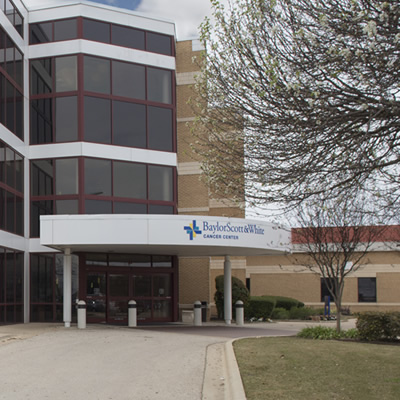
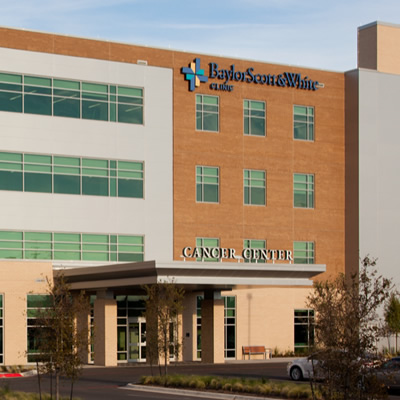
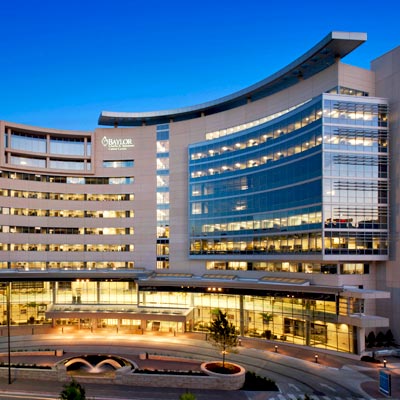
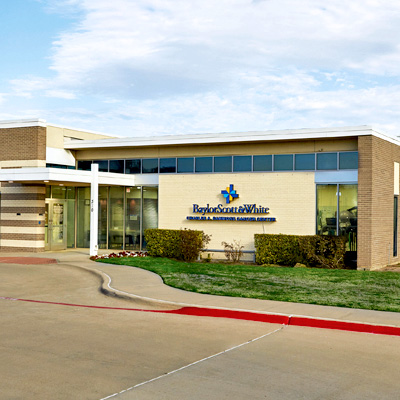
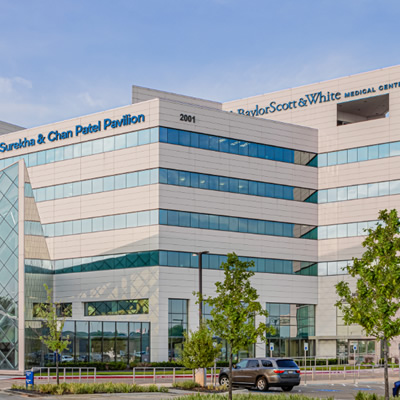
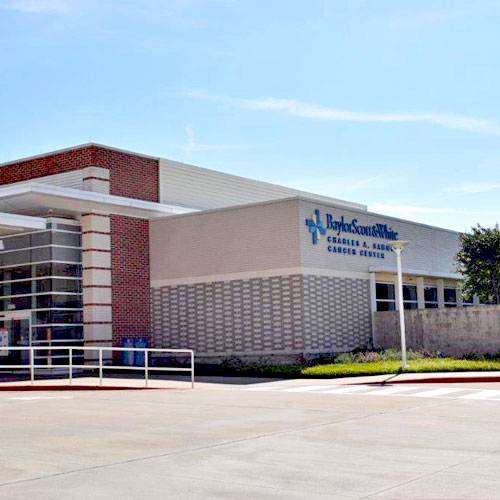
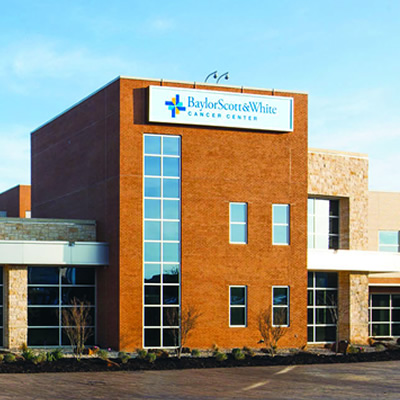
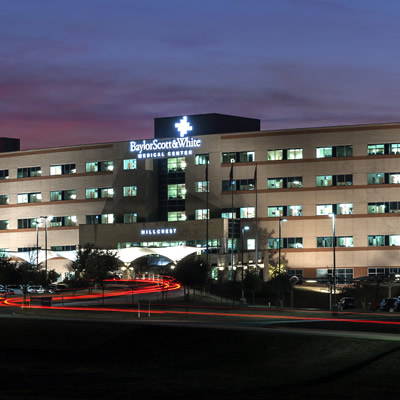
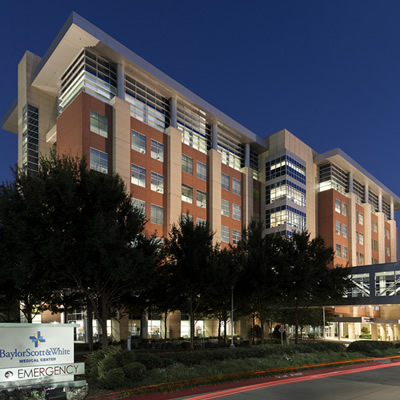
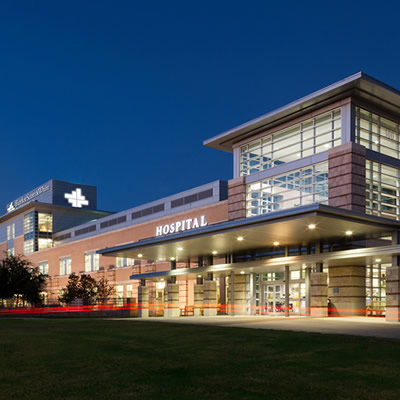
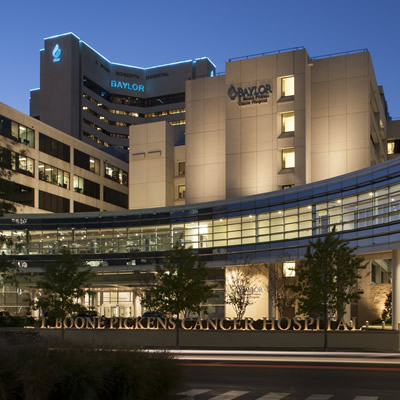
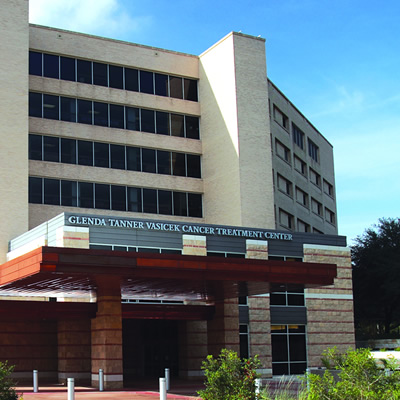
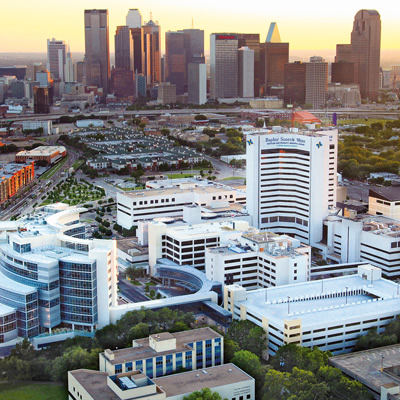
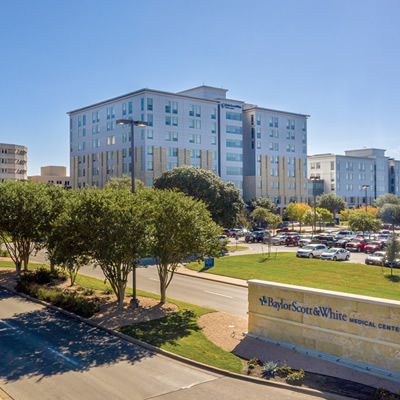
You can have access to chemotherapy treatment at our cancer centers across North and Central Texas. We can help you arrange care at a location that best fits your needs.

Not accepting walk-ins

Baylor Scott & White Cancer Center - Killeen

2207 S Clear Creek Rd Ledger and Smith Professional Bldg, Ste 101, Killeen, TX, 76549

Not accepting walk-ins

Baylor Scott & White Cancer Center - Round Rock

300A University Blvd, Round Rock, TX, 78665

Not accepting walk-ins

Not accepting walk-ins

Baylor Scott & White Charles A. Sammons Cancer Center - Irving

2001 N MacArthur Blvd Ste 120, Irving, TX, 75061

Not accepting walk-ins

Baylor Scott & White Charles A. Sammons Cancer Center - Waxahachie

2380 N Interstate 35E, Waxahachie, TX, 75165

Not accepting walk-ins

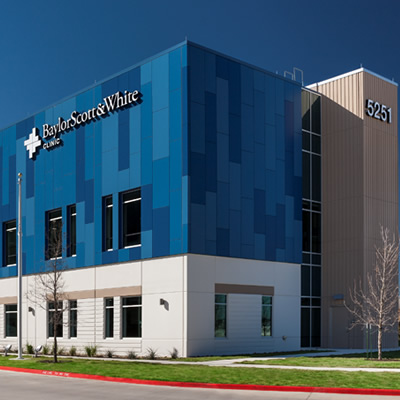
Baylor Scott & White Clinic - Austin Oak Hill

5251 US 290, Austin, TX, 78735

Not accepting walk-ins

Baylor Scott & White Clinic - Temple

2401 S 31st St, Temple, TX, 76508

Not accepting walk-ins

Baylor Scott & White Hillcrest Breast Center - Waco

50 Hillcrest Medical Blvd Bldg I, Ste 103-B, Waco, TX, 76712

Not accepting walk-ins

Baylor Scott & White McClinton Cancer Center - Waco

150 Hillcrest Medical Blvd, Waco, TX, 76712

Not accepting walk-ins

Baylor Scott & White Medical Center - Grapevine

1650 W College St, Grapevine, TX, 76051

Accepting walk-ins

Baylor Scott & White Medical Center - Hillcrest

100 Hillcrest Medical Blvd, Waco, TX, 76712

Accepting walk-ins

Baylor Scott & White Medical Center - Irving

1901 N MacArthur Blvd, Irving, TX, 75061

Accepting walk-ins

Baylor Scott & White Medical Center - McKinney

5252 W University Dr Highway 380 at Lake Forest Drive, McKinney, TX, 75071

Accepting walk-ins

Baylor Scott & White Medical Center - Plano

4700 Alliance Blvd, Plano, TX, 75093

Accepting walk-ins

Baylor Scott & White Medical Center - Round Rock

300 University Blvd, Round Rock, TX, 78665

Accepting walk-ins

Baylor Scott & White Medical Center - Temple

2401 S 31st St, Temple, TX, 76508

Accepting walk-ins

Baylor Scott & White Medical Center - Waxahachie

2400 N Interstate 35E, Waxahachie, TX, 75165

Accepting walk-ins

Baylor Scott & White Oncology - Waxahachie

2380 N Interstate 35E, Waxahachie, TX, 75165

Not accepting walk-ins

Accepting walk-ins

Not accepting walk-ins

Frequently asked questions

More information

Female cancer survivor looking off into the distance.
Research doctor talking to patient.
Loading...